Why a metric socket set will let you down
Grab a modern metric socket set and try to pull the primary chaincase bolts off a pre-1968 Triumph and you will spend an afternoon rounding off hex heads instead of fixing anything. Most British machines from Ariel, BSA, Matchless, Norton, Triumph, and Vincent were built around British Standard Whitworth (BSW) and British Standard Fine (BSF) threads, not metric and not SAE. The external fasteners on these bikes did not get converted to Unified threads until around 1970, and the internal engine hardware held out for roughly another decade after that.
This is the first lesson every vintage owner learns the hard way: the right toolkit depends entirely on which factory bolted the bike together. Get the fasteners sorted first, because every other job in this article assumes you can actually remove the fastener in front of you without destroying it.
The core toolkit
Start with coverage, not quantity. An 8-piece Whitworth socket set spanning 1/8 inch to 9/16 inch will handle the large majority of fasteners on a British twin, with the 1/4, 5/16, 3/8, and 7/16 inch sizes doing most of the actual work. Pair that with a set of Whitworth and BSF open-end spanners, since sockets alone won't reach everything on a cluttered engine case.
Beyond thread-specific tools, the basics are the same basics every mechanic already owns: a torque wrench, a set of quality screwdrivers, feeler gauges for points and valve clearances, and a decent multimeter for chasing down the electrical gremlins that seem to come standard on anything wearing a Lucas harness.
A few things worth adding early:
- Whitworth and BSF socket and spanner sets (8-piece Whitworth covers most jobs)
- A torque wrench calibrated in both lb-ft and Nm, since specs vary by era and marque
- Feeler gauges for points gap and valve lash
- A basic multimeter for diagnosing Lucas or Bosch electrical faults
- A carburetor rebuild kit sized to your bike's Amal, Dell'Orto, or Bing carb
Brand-specific specialty tools
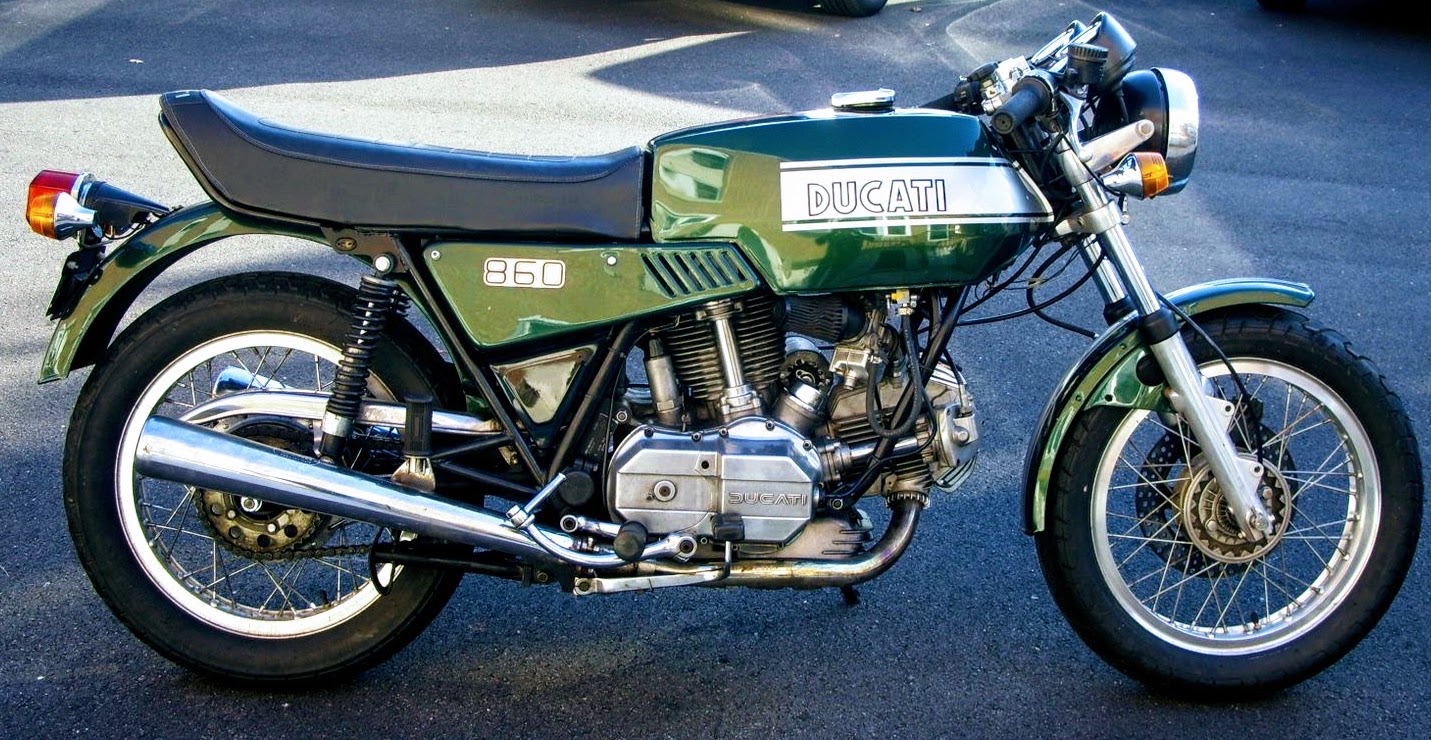
Once the basics are covered, certain marques demand tools you simply cannot improvise. Ducati's air-cooled bevel-drive singles and twins, built from the brand's early years through roughly 1985, rely on a tower shaft to drive the overhead camshaft, and the desmodromic valve system needs its own measuring and adjustment tools. Owners of a bevel-drive Ducati, including something like a Ducati 750 SS, should budget for a box spanner for the gearbox sprocket nut, a clutch locking tool, a rocker pin extractor, and a degree disc for setting cam timing. It's also worth making a habit of wiring the exhaust nuts to the engine on these bevel bikes, since they're notorious for backing out.
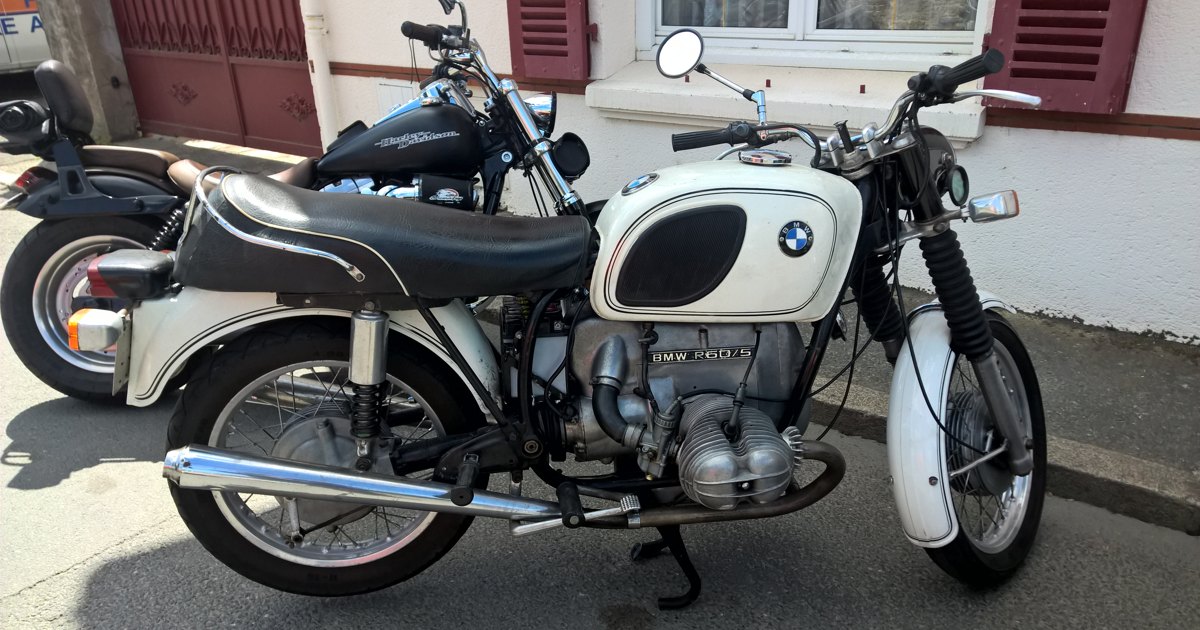
BMW's airhead boxers, built from the 1970s through the 1980s, have their own specialist needs for valve adjustment and final drive service, distinct enough from the rest of the European field that it's worth sourcing airhead-specific tools rather than improvising with generic kit. If you're running a BMW R60/6 or a later airhead, check the BMW history page and the brand's gear page for tools built around that flat-twin layout.
Moto Guzzi's transverse V-twin presents a different geometry problem entirely, with cylinder heads sticking out into the airstream on either side of the frame rather than tucked in-line. Carburetor work on these engines often means a Dell'Orto rebuild kit (the company has supplied Guzzi-specific carbs like the VHB 29 and SS 29 DS for decades), and anyone working on an air-cooled transverse twin should check Moto Guzzi's gear page before assuming a generic kit will fit.
Workshop manuals worth owning
A torque spec memorized wrong is worse than no torque spec at all, which is why a proper workshop manual belongs in every vintage garage before the first bolt comes loose. Haynes has long produced marque-specific Owners' Workshop Manuals that walk through a full teardown and rebuild, documented step by step, written for the home mechanic but detailed enough that professional shops keep copies on the bench.
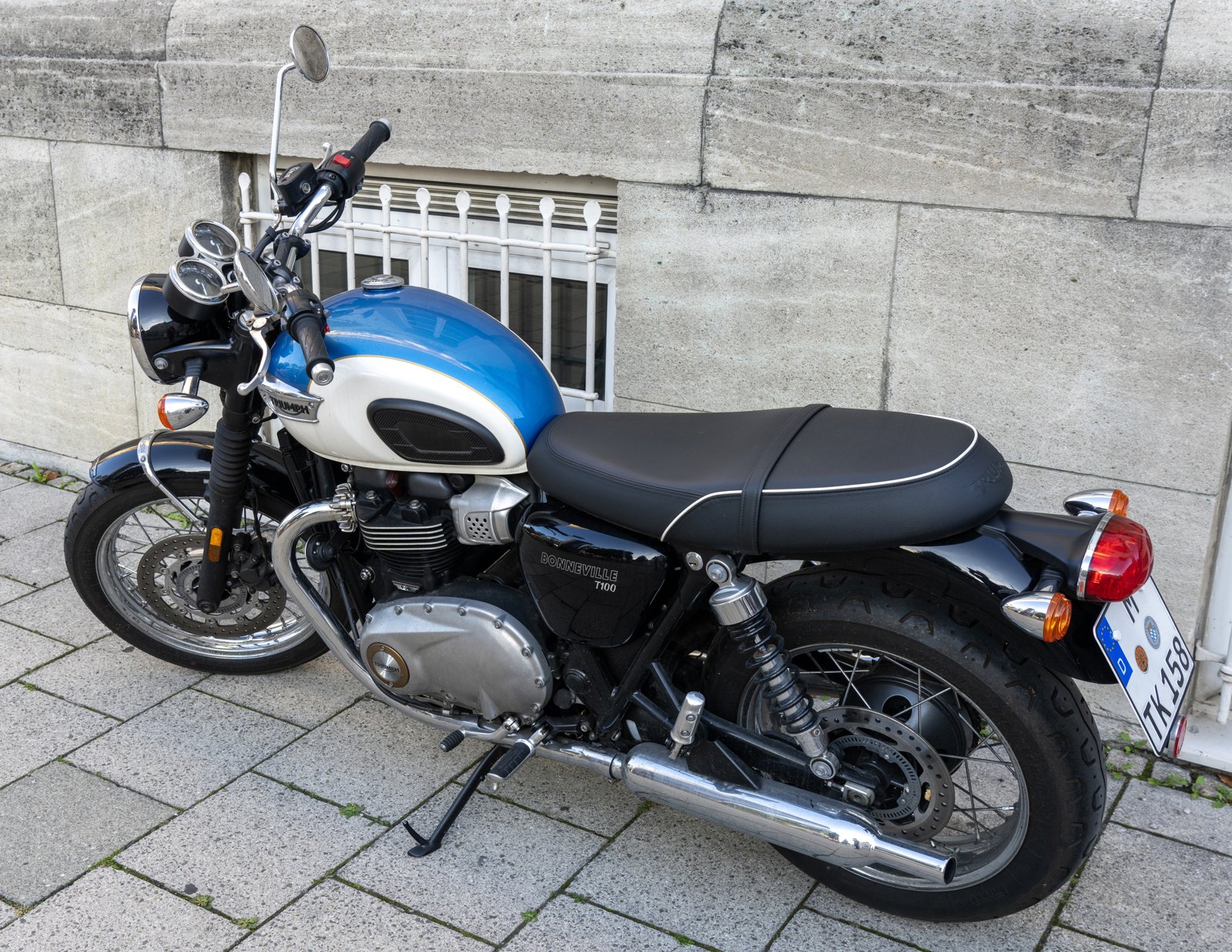
For British twins, the Triumph 650 and 750 2-Valve Twins manual (covering 1963 to 1983) and the Triumph Trident and BSA Rocket 3 manual (1969 to 1975) are both standard references. Norton Commando owners and BSA A50/A65 owners have their own dedicated Haynes volumes as well. On the Italian side, the Moto Guzzi 750, 850 and 1000 V-Twins manual covers 1974 to 1978 and is a sound starting point for anyone running an air-cooled Guzzi twin from that era.
These manuals go well past bolt torques. Expect sections on troubleshooting, carburetor tuning for Amal or Dell'Orto setups, correct lubricants, and engine-building tips specific to that model family. Buy the one that matches your exact bike, not a general guide, because the differences between a 650 twin and a 750 triple are not cosmetic.
Battery and storage kit
Most early British machines ran positive earth electrical systems, a detail that trips up more than a few owners reaching for a modern negative-earth battery charger without checking first. Before buying a trickle charger or battery tender, confirm your bike's polarity and pick a unit built to handle positive earth setups, since using the wrong polarity charger is a quick way to cook a battery or damage the electrics.
Long-term storage is its own discipline. A fuel stabilizer, a way to lift the tires off the ground or at least rotate them periodically, and a breathable cover all matter more than people expect. We've covered the seasonal side of this in more depth in our piece on classic motorcycle winter storage, which is worth reading in full before you park a bike for months at a time.
Riding gear that suits a classic
Gear built for a modern sportbike often looks wrong, and fits wrong, on a vintage machine, which is why retro-styled protective gear has become its own category. A leather half helmet with DOT approval gives the right look on a cafe racer or classic twin without giving up certified protection, and it pairs naturally with the kind of build discussed in our cafe racer culture piece.
On the jacket side, look for CE-rated protection even in a retro cut. A jacket like the Richa Charleston, built from 1.3mm full-grain cowhide with a five-piece Level 1 armor suite covering shoulders, elbows, and back, shows that vintage styling and real armor are not mutually exclusive. Don't trade safety for looks here; the good retro gear makers have figured out how to deliver both.
Care and cleaning products
Cleaning a vintage bike is not the same job as cleaning a new one. Chrome, cloth-covered wiring, and original paint all call for gentler products than the degreasers and polishes made for modern plastics and clear coats. A dedicated chrome polish, a mild carburetor cleaner safe on Amal or Dell'Orto castings, and a quality metal polish for alloy cases will do more good than any all-purpose spray.
Keep a soft-bristle brush on hand for cleaning fins and castings without scratching, and go easy on pressure washers around magnetos, generators, and any Lucas or Bosch electrical components. Moisture is the enemy of old wiring and old points, and a five-minute rinse can turn into a weekend of electrical troubleshooting if you're not careful about where the water goes.
Building the kit one piece at a time
Nobody buys a complete vintage toolkit in one trip. Start with the fasteners for your specific marque, add the manual for your exact model, and build outward from there as jobs come up. A Ducati bevel twin and a BMW airhead will never share a toolbox, but the discipline of matching the right tool to the right machine is the same regardless of badge.
Browse RunMotoRun's brand-specific gear pages to shop the picks that match your bike: start with Triumph's gear page, Ducati's gear page, BSA's gear page, or Norton's gear page, and work outward to the rest of the marques covered on the site.
Image credits: CC0, via Wikimedia Commons; AuHaidhausen, CC BY 4.0, via Wikimedia Commons