The Maintenance Mindset
A vintage European motorcycle does not fail the way a modern bike fails. It doesn't throw a fault code. It just gets a little harder to start, a little rougher at idle, a little weepier around the cases, until one day it doesn't start at all. Nothing dramatic. Just entropy, quietly winning.
The owners who do well with these machines share one habit: they look at the bike before they ride it, not after. A five-minute walkaround, oil level, tire pressure, chain slack, a squeeze of the brake lever, catches ninety percent of what would otherwise become a roadside problem.
The other half of the mindset is accepting that these bikes were engineered for an era of regular attention, not for being parked for three months and expected to fire on the first kick. They reward owners who treat maintenance as a rhythm rather than a reaction. Skip that rhythm and you're not fixing a bike anymore, you're restoring one.
Fluids and Service Schedules
Oil is where vintage maintenance gets its first myth-busting lesson. Machines built before the 1960s typically ran monograde oils like SAE 30 or 40, simple and thick. Multigrade oils arrived in the 1960s and changed the game, with something like 20W-50 behaving like a 20-weight when cold and a 50-weight once the engine's up to temperature.
That 20W-50 range is often the right call for an older engine today: enough viscosity at operating temperature to protect loose, decades-old tolerances and reduce the seeping that plagues tired gaskets. Be cautious with full synthetics, though. Original gasket materials and seals were never designed for them, and some will leak worse with a modern synthetic than with a conventional oil they were built to tolerate.
Build a simple schedule and stick to it. Check oil level, tire pressure, and brakes before every ride. Inspect the brake system more thoroughly every 3,000 to 5,000 miles, since most vintage bikes still rely on drum brakes at least at the rear, with shoes that wear and springs that fatigue. Chains need attention far more often: unsealed, plain-link chains common on older bikes should be cleaned and relubricated roughly every 150 to 200 miles, ideally lubed while still warm from a ride so the lubricant can work past the rollers into the pin bushings. If your bike has a sealed chain (a design that started appearing in the 1970s), you'll get a much longer interval between lube jobs.
Carbs and Fuel Systems
If there's one job that defines vintage ownership, it's keeping the carburetor clean and the fuel it's fed honest. A gummed-up carb is probably the single most common ailment on a bike that's sat for a while, and it shows up as rough idling, hesitation, or an engine that simply won't start.
Run ethanol-free fuel, ideally 91 octane or higher. Ethanol is genuinely bad news for old machines: it attracts moisture, which corrodes metal tanks and carb internals, and it degrades the rubber fuel lines, seals, and O-rings that were never designed to handle it. A corroded steel tank is its own hazard too, since rust flakes inside the tank will clog jets downstream and a rusted-through tank can leak.
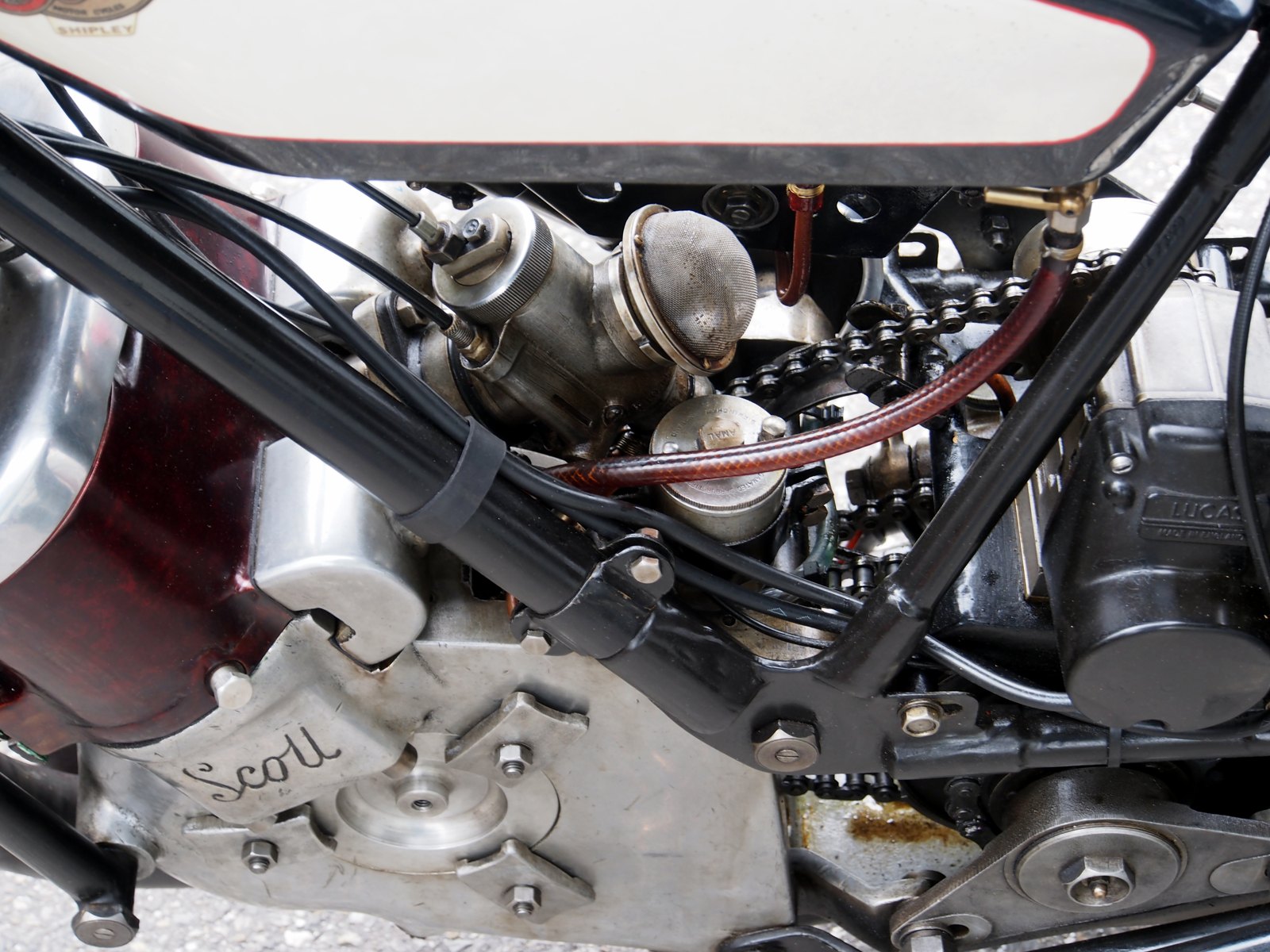
When you do clean a carb, pull it off the bike and soak it properly in a dedicated carb cleaner rather than spraying and hoping. Soft brushes and compressed air clear the jets and passages without damaging them. Always fit fresh gaskets on reassembly, old ones rarely reseal well once disturbed. Pay attention to float height too, since too high a float setting runs rich and too low runs lean, and get familiar with the idle mixture screw, the main tool for fine-tuning how the engine breathes at low revs. Dry rot is the other quiet killer here: fuel lines, fork seals, shaft seals, and carb O-rings all harden and crack with age even if the bike looks fine sitting still, so check them on a schedule rather than waiting for a fuel leak to tell you.
Electrics: The Weak Point
If a vintage European bike is going to let you down, the electrics are the likely culprit. Frayed wiring insulation, corroded connectors, and tired generators or regulators are the recurring themes across decades of these machines, and British twins in particular have a reputation for brittle wiring and fragile electrical components that doesn't need much defending.
The fix isn't glamorous: clean, secure connections and a battery that's actually being maintained. Older electrical systems were never as efficient as what came later, so a weak connection that a modern bike would shrug off can be the difference between starting and not starting on a vintage one. Pull connectors apart occasionally, look for corrosion, and don't assume a connection is good just because it looks connected.
Keep the bike dry and well-lubricated where it matters, since rust doesn't stop at the frame and chrome, it creeps into connectors and switches too. If you're chasing an intermittent electrical gremlin, start with the basics, grounds, connectors, battery terminals, before you assume it's something more exotic like a failing generator.
Parts Sourcing for European Classics
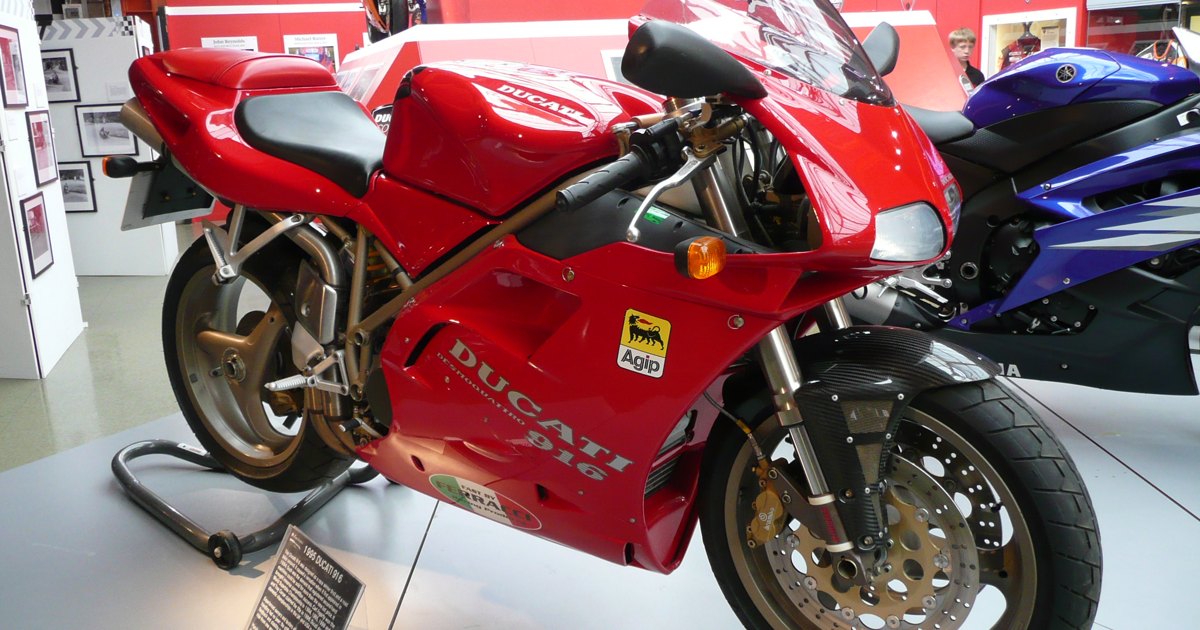
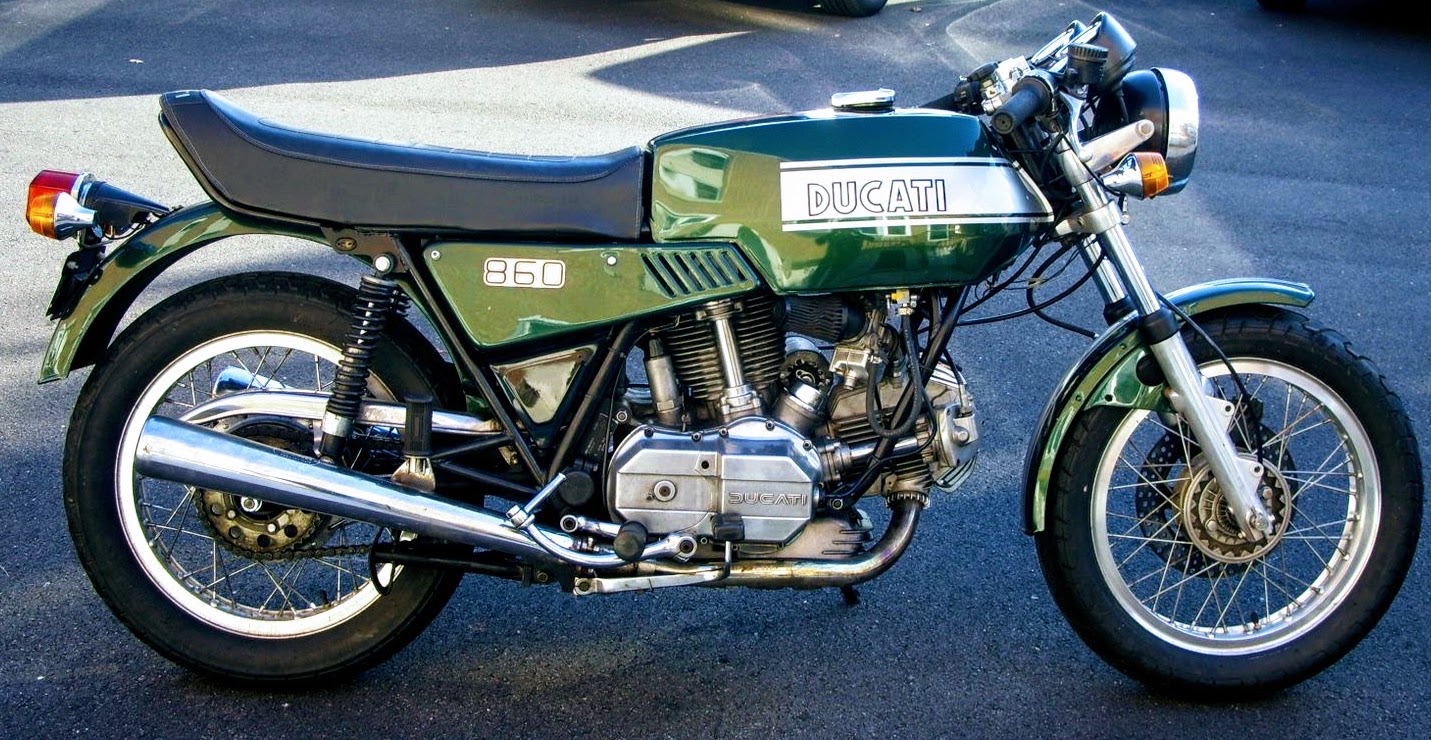
European and Italian marques (Moto Guzzi, Ducati, BMW airheads) bring real engineering character, but also real sourcing headaches. Documentation can be scarce, some jobs call for tools you won't find at a generic shop, and a missing part can mean expensive custom fabrication rather than a quick order from a parts bin.
Join marque-specific owners' clubs and forums before you need them, not after. The collective knowledge in these communities, where to find a correct float needle for a 1970s Dell'Orto or a replacement regulator for an early BMW, is often more useful than anything printed in a manual. It's also worth reading up on your specific marque's history to understand why certain parts were built the way they were, which makes diagnosing an original fault much easier. RunMotoRun's marque history pages, like Moto Guzzi, Ducati, BMW, Triumph, BSA, and Norton, are a good place to start building that context.
Keep a running list of what's original versus already replaced on your bike, and photograph everything before you disassemble it. If you're shopping for your first classic, it's worth reading something like our guide to buying a vintage Ducati even if you end up with a different marque, since the sourcing and documentation challenges it describes apply broadly across European classics.
When to Call a Specialist
There's a point where DIY confidence should hand off to someone with the right tools and the scars to prove they've seen this exact problem before. Ignition timing is a good example: setting point gap correctly (commonly in the 0.012 to 0.016 inch range on period Japanese and European bikes of similar design) and getting the dwell angle right so the points build enough current for a strong spark is fiddly work where a small error costs you real performance or a no-start.
Anything involving mechanical or vacuum advance systems, anything that requires specialized diagnostic tools your marque never standardized, and any job where a mistake could damage an irreplaceable original part is a job worth paying for. So is a full carb rebuild on a bike you've just acquired and don't yet trust, or any brake system work you're not fully confident in, since brakes are the one system where guessing is not an option.
Think of a specialist less as an admission of defeat and more as insurance. A good independent mechanic who specializes in your marque will often spot a problem in minutes that would take you a weekend of forum reading to diagnose, and they'll know which parts are safe to improvise and which ones genuinely need to be correct.
Building the Habit
None of this is complicated on its own. What makes vintage ownership work is consistency: checking the bike before you ride it, cleaning and lubricating the chain on schedule, keeping fuel fresh and ethanol-free, and not letting small electrical gremlins sit unresolved. Owners who keep these bikes running for decades aren't necessarily better mechanics, they're just more consistent ones.
If you're laying the bike up for winter, the routine changes again, and it's worth reading our dedicated guide to classic motorcycle winter storage before you park it. For the tools and manuals that make all of the above easier to get right the first time, check the RunMotoRun gear guides for recommendations suited to classic European machines.
Image credits: Llann Wé², CC BY-SA 4.0, via Wikimedia Commons; CC0, via Wikimedia Commons