What a bevel-drive 750 SS actually costs you now
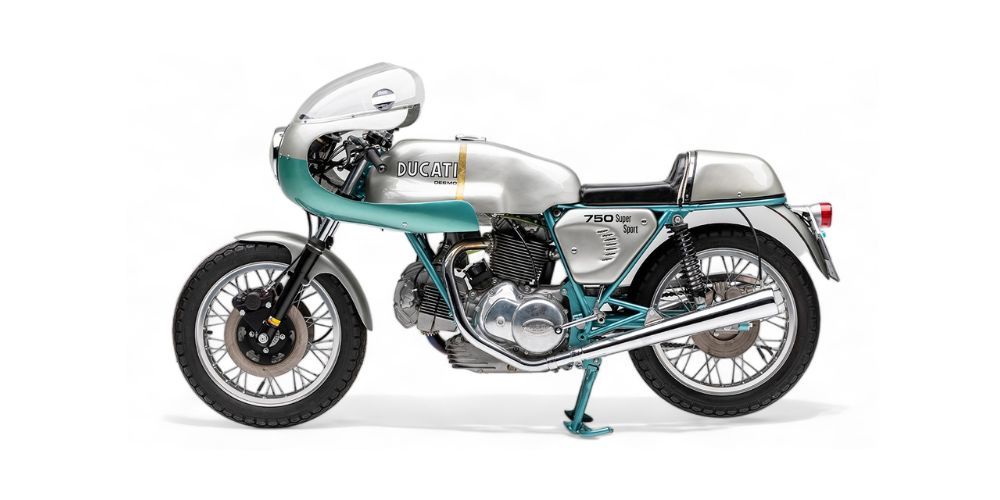
A genuine Ducati 750 SS bevel, one of roughly 200 ever built with desmodromic heads, now trades in the £30,000 to £70,000 range (about $38,000 to $90,000) depending on originality and matching numbers. That is not a typo, and it is not a bike for a first-time buyer working with a modest budget. But it tells you something useful before you spend a pound: the vintage Ducati market rewards rarity and originality far more than it rewards a shiny repaint.
Set your budget by working backward from real sale data rather than an asking price you saw on a dealer lot. A first-generation Monster 900 will get you into air-cooled Ducati ownership for £3,500 to £7,500 (about $4,500 to $9,600), a sensible number for someone testing the waters. A Paul Smart Le Mans replica from the SportClassic era, by contrast, now often clears £25,000 (about $32,000), a reminder that even 2000s retro Ducatis have become genuine collector items.
The 916 family sits in the middle and shows the clearest trend line in the whole marque. Late Biposto models can still be found around £10,000 (about $13,000), while early SPS variants push toward £40,000 (about $51,000). Values for the 916 have climbed roughly 10 to 15 percent a year between 2015 and 2025, with SPS versions running closer to 20 percent annually. That kind of appreciation is exactly why you should check current numbers before you bid, not after.
Which models make sense for a first vintage Ducati
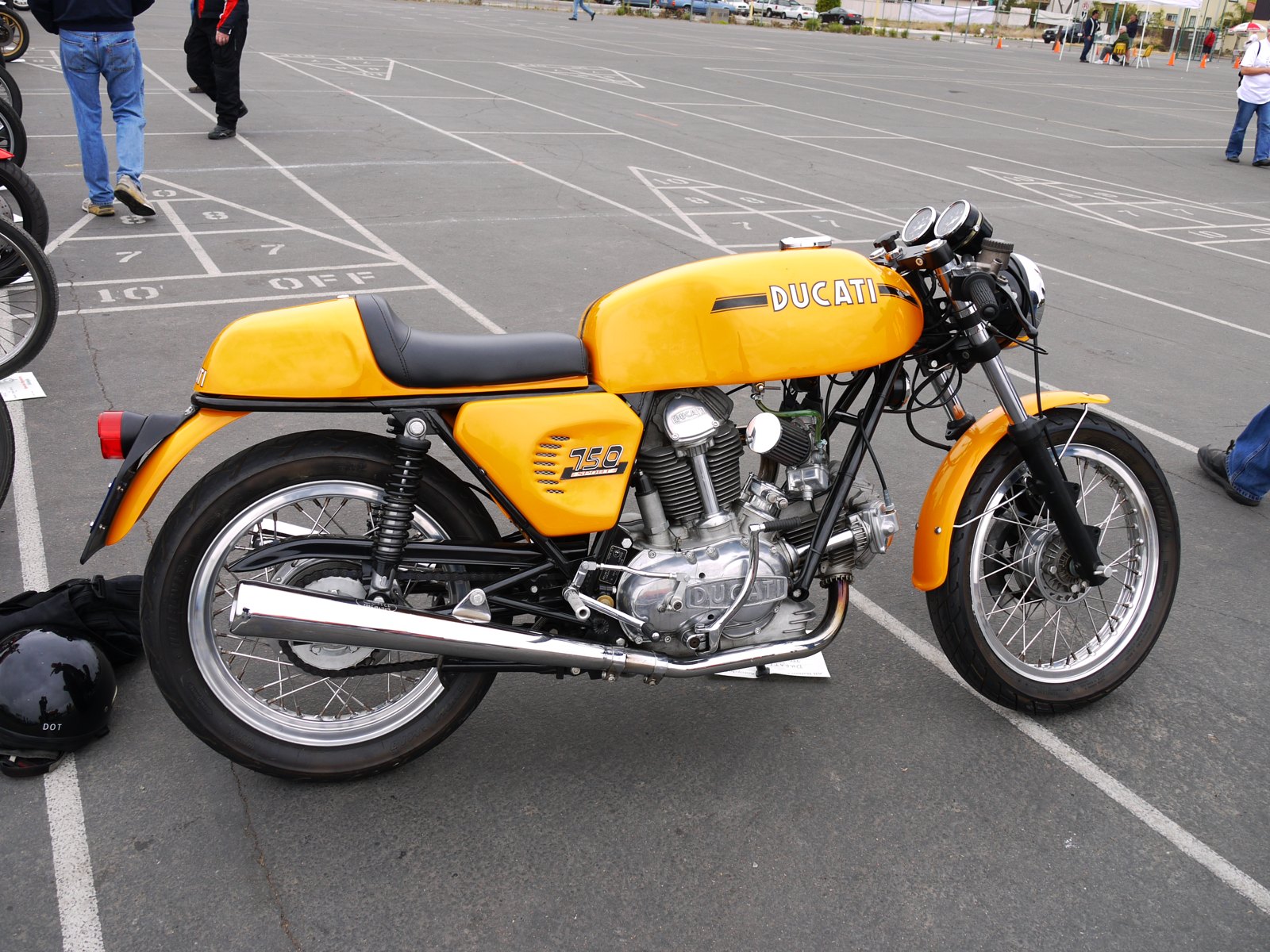
Start with a bike that matches your mechanical confidence, not just your budget. The Ducati Monster is the obvious entry point: air-cooled, mechanically straightforward by Ducati standards, and cheap enough that a mistake won't ruin you. It also shares much of its running gear with the more expensive bevel and belt-drive twins, so working on one teaches you the platform.
If you want something with more history behind it, look at the belt-drive 900 SS from the 1991 to 1998 era. These came with full or half fairing options and gained the 900 Superlight variant in 1992. They use the Pantah-derived architecture that Ducati leaned on through the 1980s, a bike remembered for handling that punched well above its era.
The 750 Paso deserves a look too, and it carries genuine design pedigree. It was Massimo Tamburini's first motorcycle for Ducati after Cagiva bought the company out of bankruptcy in 1985, and only 4,863 were built between 1986 and 1988. Its 748cc air-cooled V-twin made 73 hp at 7,900 rpm, modest numbers today but a real turning point at the time. If your budget stretches toward the Ducati 916, understand you're buying Tamburini's most complete design, the bike widely considered his masterpiece, and price accordingly.
Belts, bevels, and the trouble spots that matter
Every vintage Ducati twin, from the earliest bevel-drive singles-descended V-twins to the belt-driven desmo engines, runs on a service schedule that punishes neglect. On pre-2004 air and water-cooled models, valves need inspecting roughly every 6,000 miles (10,000 km), and the cam belts want replacing every 12,000 miles or two years, whichever comes first. Later pre-Panigale superbikes tighten that window slightly to 6,000 to 7,500 miles for belts and valves, with a hard five-year cap on belt life regardless of mileage.
A seller who can't produce belt and valve service records is telling you, indirectly, that you should assume the worst and budget for a full service the moment the bike is yours. This is not optional maintenance you can defer. A snapped cam belt on a desmodromic engine can bend valves and turn a routine service into an engine-out rebuild.
Beyond the belts, watch for the marque's well-known weak points. Early desmo engines needed frequent tuning even when new, and mid-1990s models in particular have a reputation for being electrically sketchy, with old wiring and corroded connectors causing more grief than the engines themselves. Failed rectifiers are the most common electrical failure and thankfully the easiest to fix. Carburetor problems and frame fatigue or cracking show up on higher-mileage or poorly stored examples, so a rattly idle or an odd kink in the trellis frame both deserve a second look.
What to check before you hand over a deposit
Buying at a distance, or under auction pressure, is where good intentions go to die. Slow down and work through the same checklist a dealer's technician would use, whether you're buying privately, from a dealer, or off a listing site.
Before you view the bike in person, or before you commit to a bid, confirm these basics:
- VIN and chassis number match the title or registration documents exactly. If they don't, walk away, no exceptions.
- Recent valve and belt service records exist, ideally from a Ducati specialist, with dates and mileage noted.
- The electrical system works properly: lights, indicators, charging, and no obvious signs of hacked wiring or aftermarket bodges.
- Fuel tank and fairings are intact, with no swelling in the tank (a sign of ethanol damage on older plastic) and no stress cracks in the fairing mounts.
- The exhaust system is complete and original where possible; missing or mismatched headers hurt both value and running condition.
- Frame tubes near the steering head and swingarm pivot show no cracking or repaired welds.
The pre-purchase inspection is cheap insurance
If there's a Ducati dealer or independent specialist within reach, pay for a proper pre-purchase inspection. It typically runs around an hour of labor and it is money well spent against a bike that might cost you five figures. A technician who works on these engines daily will spot a marginal clutch, a tired stator, or a belt that's overdue in minutes, things a private buyer can easily miss on a test ride.
Steel tank, air-cooled motor: that's the shorthand a lot of experienced buyers use for a first vintage Ducati, and it's sound advice. Plastic tanks on some 1990s models are prone to swelling and cracking with age, and water-cooled desmoquattro engines add a layer of cooling-system complexity that a first-time owner doesn't need. Simpler is safer until you know the platform.
Where to actually buy one
Bring a Trailer and similar online auction platforms have become one of the best sources of transparent pricing data anywhere in the classic motorcycle world. Watch completed sales for several weeks before you bid on anything; the comment sections often surface issues that photos alone won't show, and the sale history gives you a real sense of where a given model sits today, not where a seller wishes it sat.
Established dealers cost more up front but usually come with some form of warranty, a documented inspection, and a seller who has a reputation to protect. That premium is often worth paying for a first purchase, especially on a bevel-drive twin or a 916 where getting it wrong is expensive.
Private sales can offer the best value if you do your homework, but they put the entire due diligence burden on you. Insist on service records, run the VIN check yourself, and don't let enthusiasm rush a decision that a calm hour with a specialist could confirm or kill. Whichever route you choose, check current model valuations before you bid so your budget reflects where the market actually is, not where it was five years ago.
Image credits: Thesupermat / Freisteller von Auge=mit, CC BY-SA 4.0, via Wikimedia Commons; Craig Howell from San Carlos, CA, USA, CC BY 2.0, via Wikimedia Commons