Eleven Years Gone, Then a Win
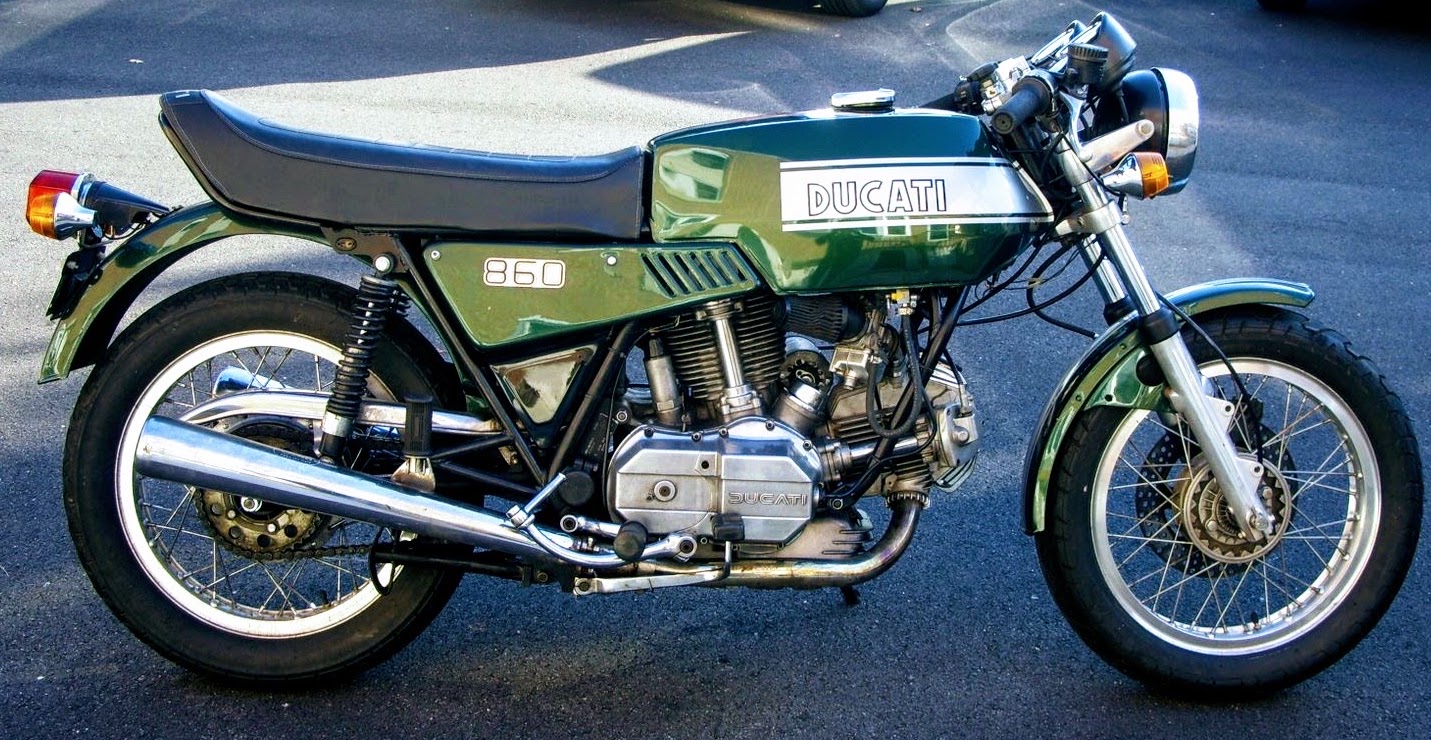
On June 3, 1978, a 38-year-old man who hadn't raced at the Isle of Man since 1967 won the Formula One TT on a Ducati prepared in the back room of a Manchester dealership. It was his fourteenth TT victory and the last of his career. It was also, for Ducati, the moment a 900SS variant became a legend without the company having to say so itself.
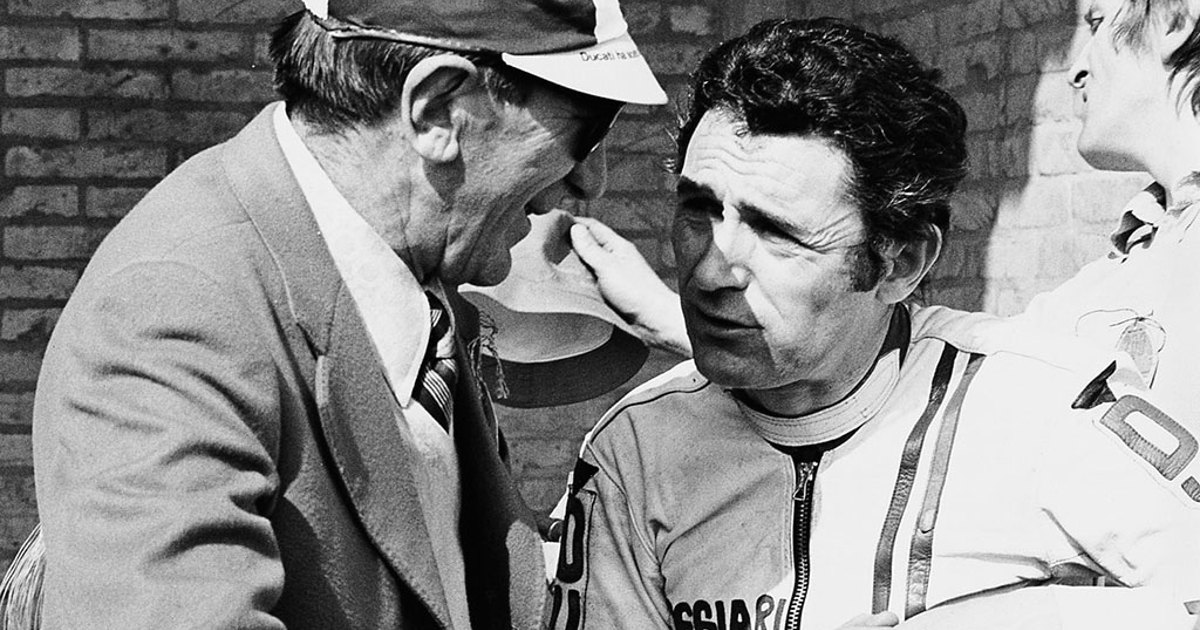
Mike Hailwood's comeback wasn't a sentimental lap of honor. He led from the end of the first lap, set his fastest-ever TT circuit at 109.87mph, and beat a factory Honda four-cylinder ridden by Phil Read by close to two minutes. Nobody expected that, least of all the people who'd spent the previous decade assuming Hailwood's racing days were finished.
Before the Wilderness Years
Stanley Michael Bailey Hailwood had already done enough by his mid-twenties to secure a place in the sport's history. Between 1961 and 1967 he took nine world championships, and his run with MV Agusta made him the first rider to win four consecutive 500cc titles, from 1962 through 1965. Across his grand prix and TT career he logged 76 GP wins and, before 1978, thirteen TT victories at the Isle of Man.
Then he walked away from bikes and went car racing, with a serious accident in Germany in 1974 effectively closing that chapter too. By the mid-1970s, Hailwood was a name people spoke of in the past tense. Eleven years is a long time in any sport, and motorcycle racing in the 1970s had moved on considerably from the machines he'd dominated in the 1960s.
Why Come Back at 38
The catalyst was almost accidental. At Silverstone in 1977, Hailwood crossed paths with Steve Wynne, who had founded Sports Motorcycles in Manchester back in 1964 at just 19 years old and built it into one of Britain's better-known dealers for BSA, Triumph and Norton machinery. Wynne had been racing Ducatis with some success through the mid-1970s, by his own admission better suited to preparing them than riding them.
Wynne let Hailwood try the Ducati he'd prepared, and something clicked. Ducati's senior design engineer, Fabio Taglioni, had designed several of the machines Hailwood raced earlier in his career and knew him personally, which gave the project a credibility it might otherwise have lacked. A 38-year-old former champion returning to a circuit as unforgiving as the Mountain Course was, on paper, a reasonable way to get hurt. Hailwood apparently didn't see it that way.
The NCR-Built 900 and the 1978 Formula One TT
For 1978, Ducati engaged its competition workshop NCR to build 25 examples of the 900 TT1 for Formula One racing, and Sports Motorcycles entered Hailwood on one of them. The bikes arrived from the factory in the third week of April, leaving Wynne's small Manchester operation very little time to prepare a machine for the most demanding road race in the world.
The engine was the familiar Ducati architecture: an air-cooled, SOHC, 90-degree V-twin running bevel-driven desmodromic valve gear, displacing 883cc for the race specification and claimed at 87hp at 9,000rpm. It wasn't a factory effort in any official sense. It was built by a dealership, tuned by people who knew the bevel-drive V-twin intimately, and ridden by a man many assumed had nothing left to prove.
That combination beat Phil Read's purpose-built, factory-backed Honda four-cylinder. Read retired on the fifth lap at the 11th Milestone with engine problems, by which point Hailwood had already made the race his own. He won at an average of 108.51mph and set a class lap record of 110.62mph, numbers that stood up against anything the bigger factory teams could offer that year.
One More Senior Win, Then Retirement
Hailwood didn't stop at Formula One. He returned to the Isle of Man again in 1979, this time aboard a two-stroke Suzuki RG500, and won the Senior TT before retiring from racing at 39. It's worth noting that his final TT win wasn't on a Ducati at all, which makes the 1978 Formula One result all the more specific to the bike and the people behind it: Wynne's workshop, Taglioni's engineering, and a V-twin that had no business beating a factory multi-cylinder machine on raw spec alone.
That 1979 Senior win closed out one of the more improbable second acts in racing. But it's the 1978 Ducati result that collectors and road racing romantics still talk about, because it's the one that turned into a production motorcycle anyone could buy.
The Mike Hailwood Replica
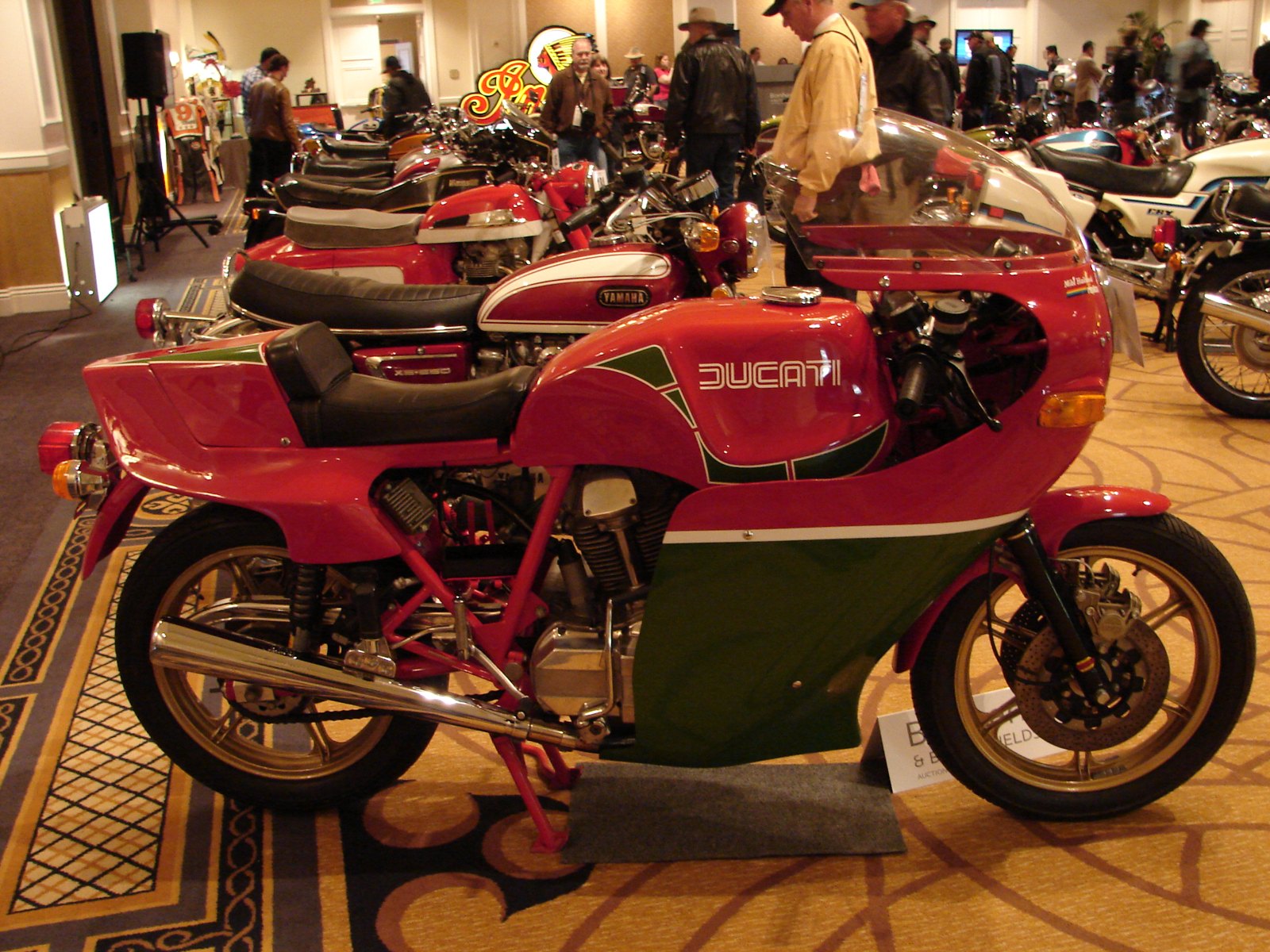
Ducati moved to capitalize on the win, and the Mike Hailwood Replica, based on the existing 900SS platform, arrived for sale later in 1979. Between 1979 and 1986, Ducati built more than 7,000 of them, a substantial run for what amounted to a tribute model wearing a race livery.
The production MHR kept the 900SS's air-cooled, 90-degree L-twin at 973cc, with a 9.3:1 compression ratio and a 5-speed gearbox, running the same bevel-drive desmodromic valve train that made the TT1 race engine distinctive. Suspension came from Marzocchi front and rear, standard fitment across the 900SS range of the era. The seat unit, styled after the race bike's fairing and tail, left the rear 40mm Dell'Orto carburettor and the battery exposed, a detail collectors still check for originality today.
The name stuck for good reason. Ducati revisited it decades later with the MH900e, a limited run of 2,000 units built in 2001 and 2002, designed by Pierre Terblanche as a direct homage to the 1978 race bike. Few model names in the company's catalogue trace back to a single afternoon of racing this cleanly.
What MHRs Bring at Auction Today
The Mike Hailwood Replica sits in an interesting spot for buyers. It's not as rare or as valuable as the genuine bevel-drive sport models that preceded it, like the 750 SS, but it carries a story that the 900SS alone doesn't have, and that story shows up in what people are willing to pay.
Anyone shopping an MHR should look closely at a few things before parting with money:
The badge alone doesn't guarantee originality, and MHRs have been re-created from lesser 900SS donors more than once over the decades. Buyers serious about one should check RunMotoRun's Ducati history page for background and compare notes before bidding. See Ducati 900 MHR auction results and valuations on RunMotoRun.
- Matching frame and engine numbers against factory records, where available
- Originality of the fairing and tail unit, since reproduction bodywork is common
- Condition of the bevel-drive desmodromic valve train, which needs specialist attention and isn't a job for a generalist mechanic
- Correct Dell'Orto carburettor and Marzocchi suspension fitment versus later substitutions
- Paperwork and provenance tying the specific bike to its production year within the 1979 to 1986 run
Image credits: Jay Cross from Berkeley, US, CC BY 2.0, via Wikimedia Commons; Jay Cross from Berkeley, US, CC BY 2.0, via Openverse