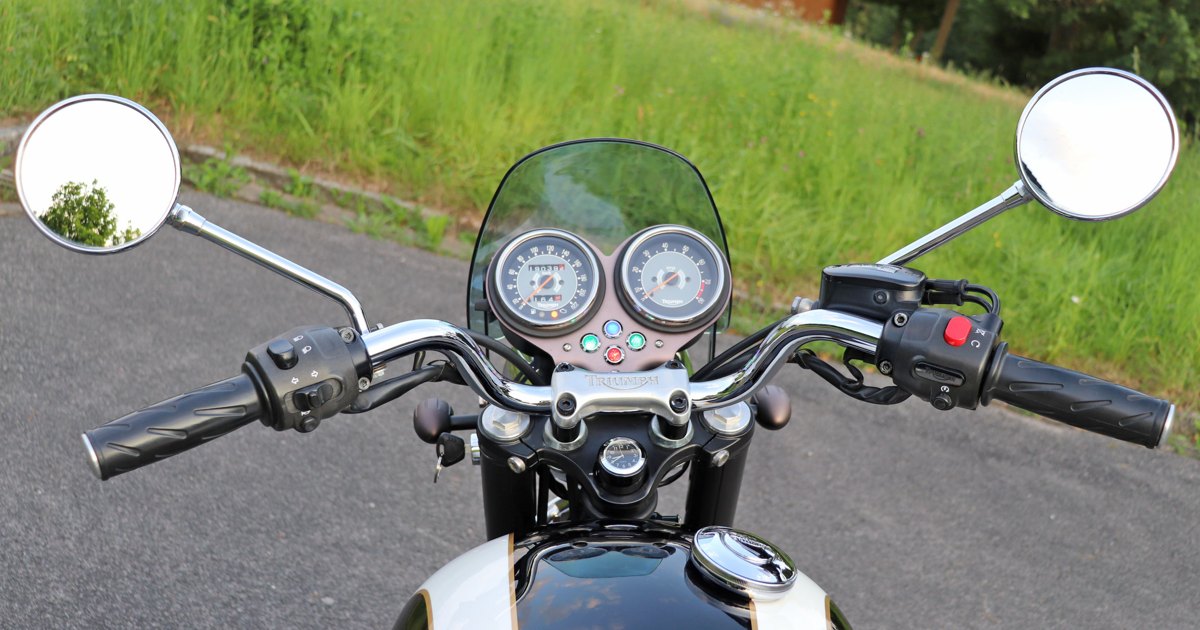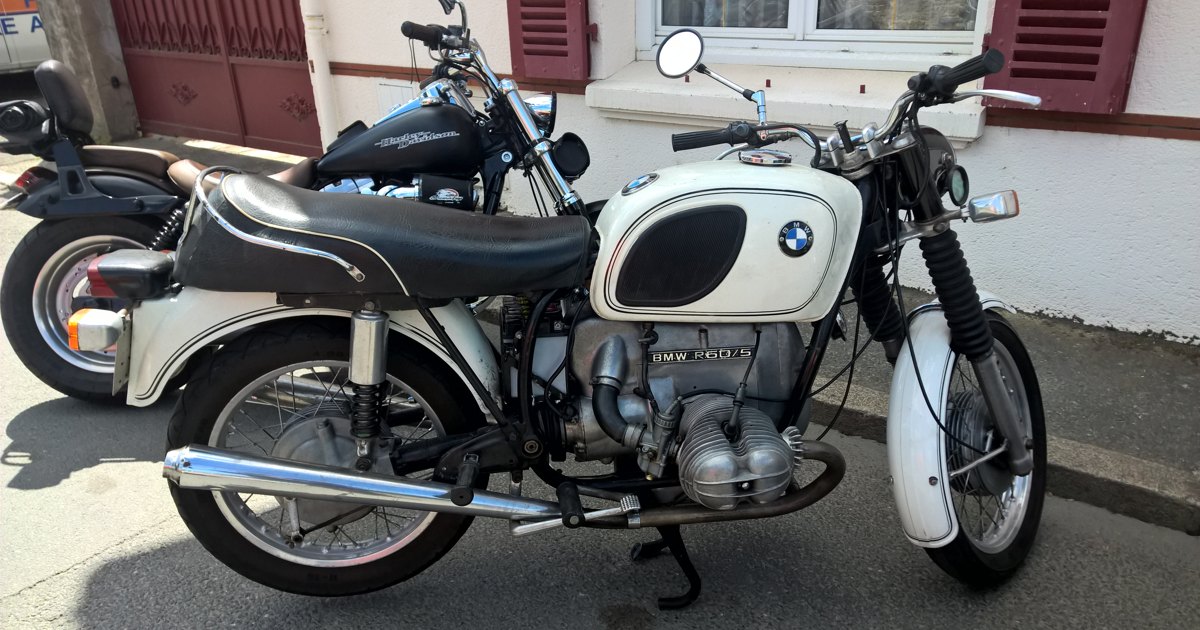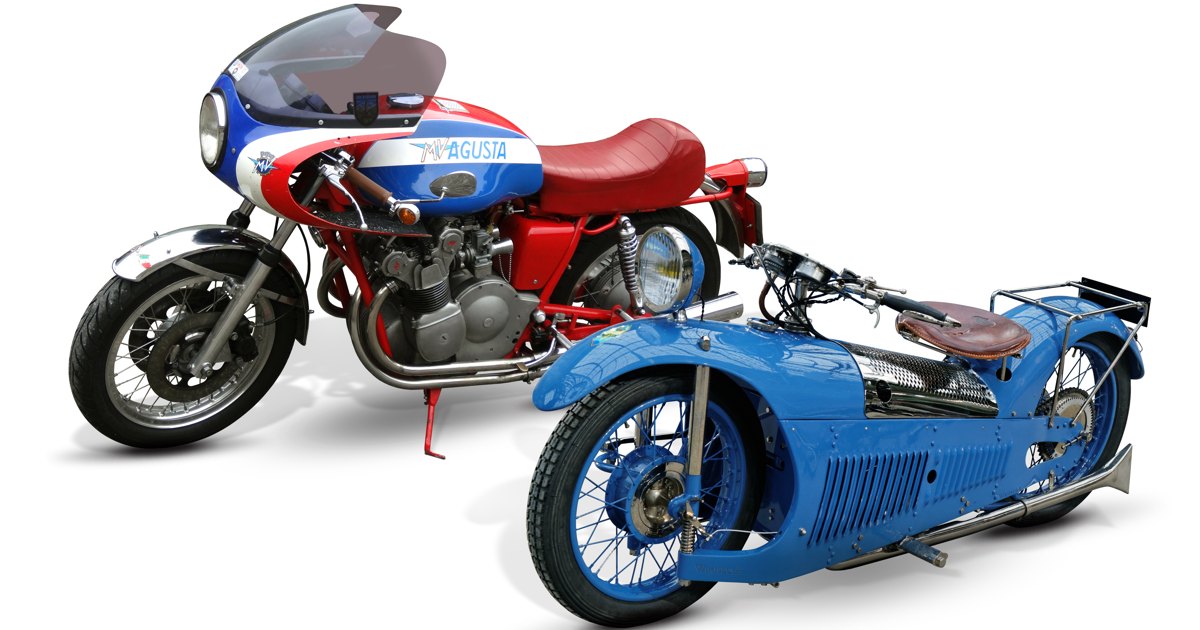
You could argue that every meaningful motorcycle category alive today traces back to Europe. The café racer was born on a stretch of North London road. The scrambler came out of muddy English fields. The sport-tourer is basically a German engineering thought experiment that turned out to be a great idea. Even the chopper — the most American-looking thing on two wheels — owes a debt to Triumph engines that crossed the Atlantic to settle war debts.
That's not chauvinism. It's just history.
This guide covers the major types of motorcycles through a specifically European lens: where each category came from, which European brands define it, and — honestly — which ones Europeans actually invented versus which ones they later adopted, refined, or just made more expensive.
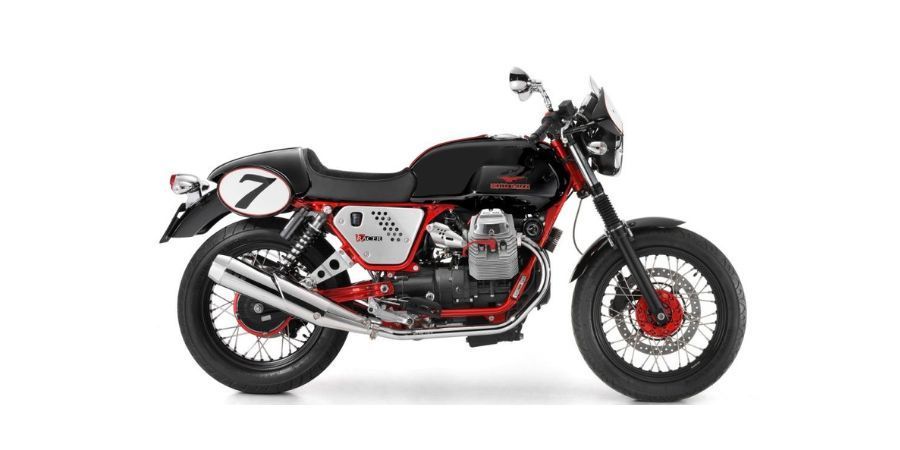
The café racer: born at a truck stop in North London
Everyone calls the Ace Café the birthplace of the café racer. That's mostly true. The Ace was a 24-hour transport greasy spoon on the North Circular Road, which meant it attracted both lorry drivers and the teenagers on stripped Triumphs and BSAs who were doing the same stretch of road about fifty times faster. The game, if you could call it that, was to put a record on the jukebox inside and get back before it ended. Kids got killed doing this. They also had an absolute blast.
The bikes they rode weren't bought that way. A café racer was built, not purchased — you took a standard British single or twin, ripped off the mudguards, swapped the handlebars for clip-ons (low, swept-back, putting you in a committed crouch), fitted a single seat hump, and went looking for trouble. The "ton" — 100 mph — was the benchmark. Boys who hit it were ton-up boys. Those who talked about it were just boys.
The philosophy was: less weight, more speed, nothing unnecessary. No windscreen. No pillion pegs. One goal.
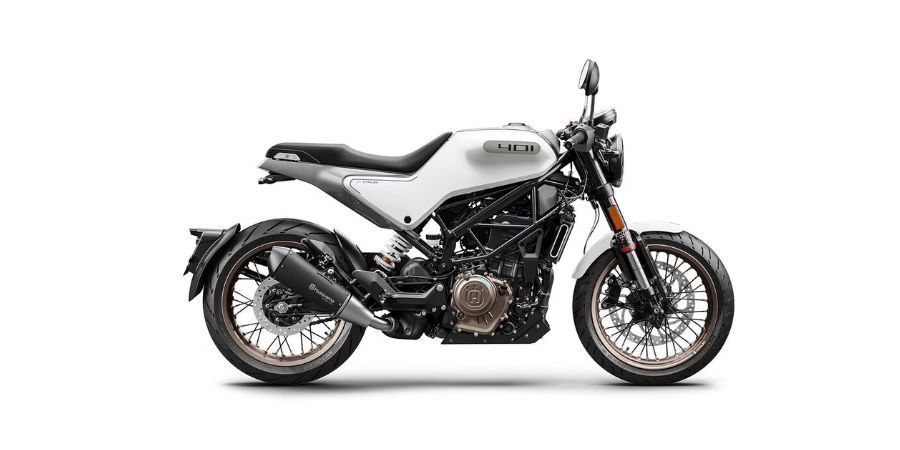
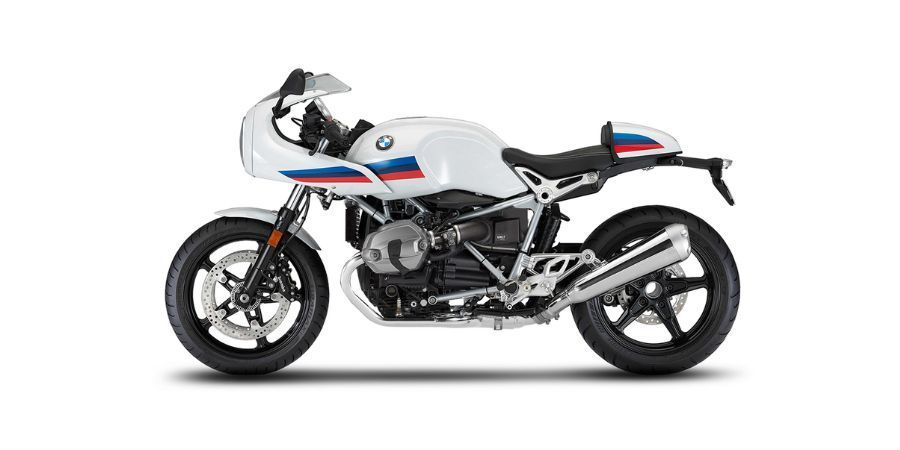
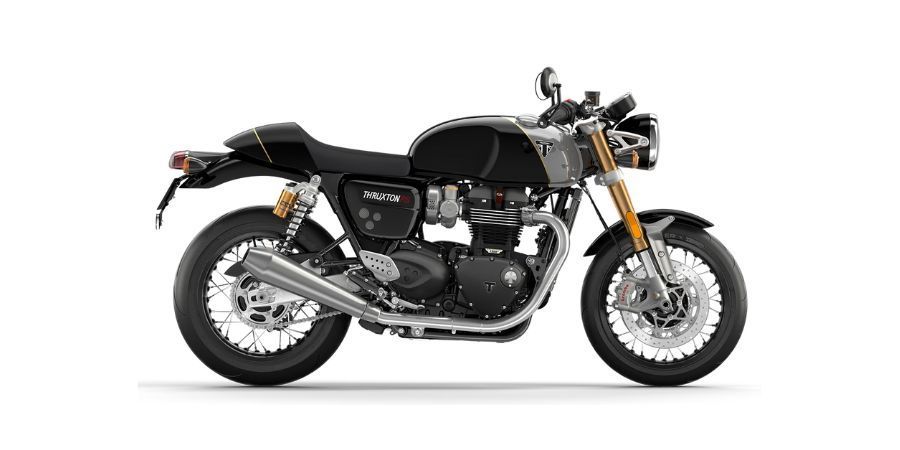
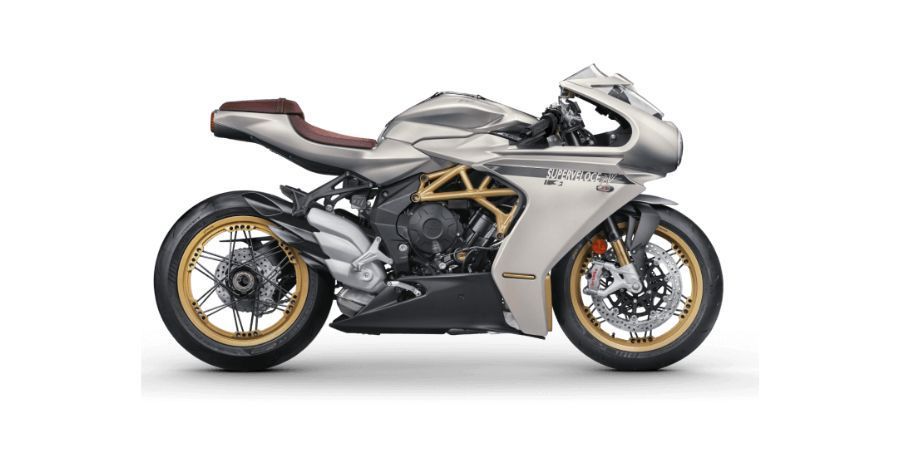
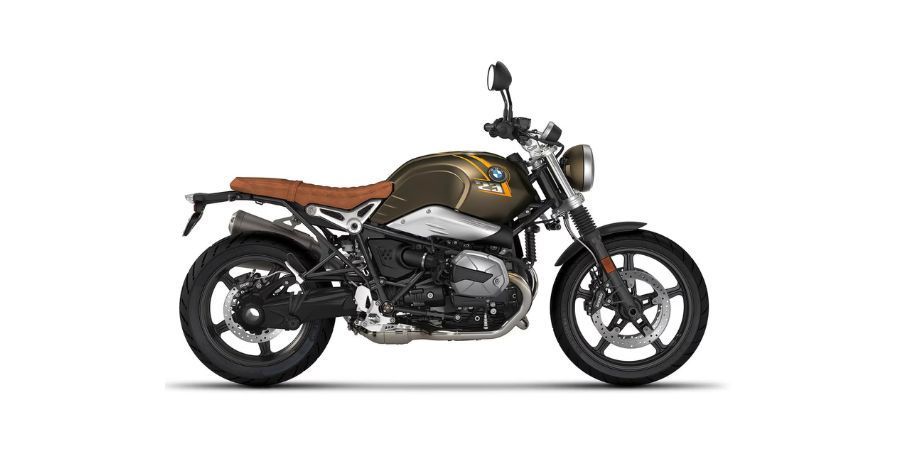
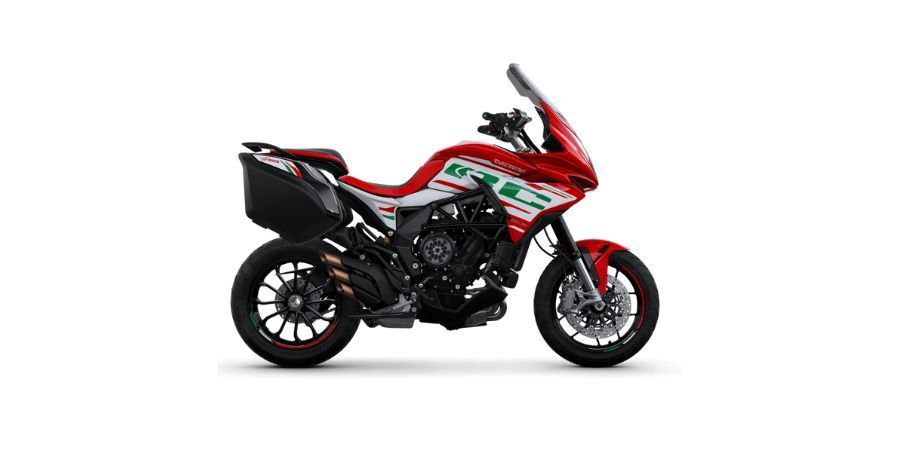
What's interesting is how that philosophy aged. The Japanese copied it in the 1970s. The Americans mythologized it. But the Europeans — specifically Triumph and BMW — were the ones who eventually productized it without completely killing what made it cool. The Triumph Thruxton RS is an off-the-shelf café racer that actually rides like one. The BMW R nineT splits the difference between museum piece and canyon carver. MV Agusta's Superveloce might be the most beautiful production motorcycle of the last twenty years, full stop.
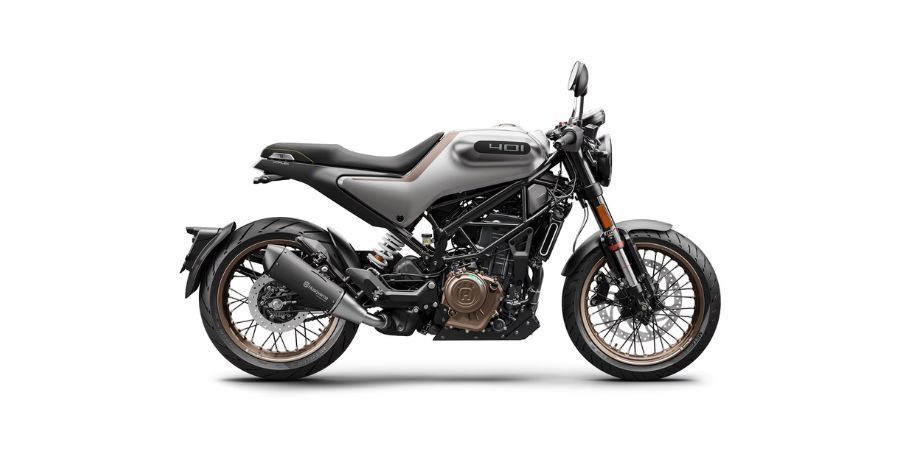
Husqvarna's Vitpilen is the outlier — it takes the stripped-down, purposeful aesthetic and puts it on a modern trellis frame with KTM running gear underneath. Younger riders love it. Purists have opinions. Both reactions are correct.
If you're buying: The modern café racer asks you to sacrifice some practicality — limited wind protection, firm suspension, a riding position that punishes long days. If you're commuting 45 minutes each way, there are better choices. If you want to feel something on a Saturday morning backroad, there are few better ones.
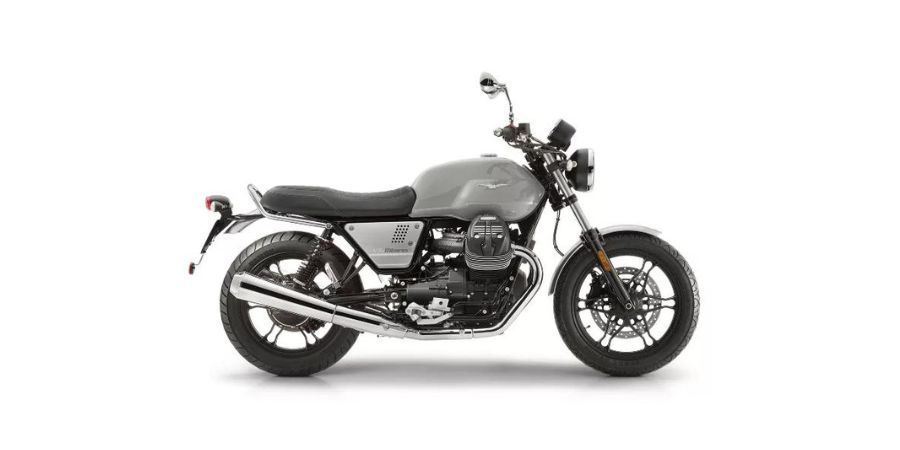
The scrambler: the original do-it-all
Before adventure bikes existed, before dual-sports were a category, there was the scrambler. And before "scrambler" was a marketing term that Ducati plastered on a lifestyle bike, it was a description of what the bike actually did: scramble across whatever terrain was in front of it.
This started in England in the late 1920s. Trials riders and early motocross competitors were using modified road bikes — raised exhausts to clear rocks and mud, knobby tires for grip, lightened frames. They weren't pretty. They weren't meant to be. The word itself apparently came from a British commentator describing an early off-road race as "a rare old scramble," which is the most understated way imaginable to describe what sounds like absolute chaos.
European scramblers defined the 1950s and '60s off-road scene. British singles ruled, Italian two-strokes were coming up fast, and the whole category was genuinely performance-motivated rather than aesthetic-motivated.
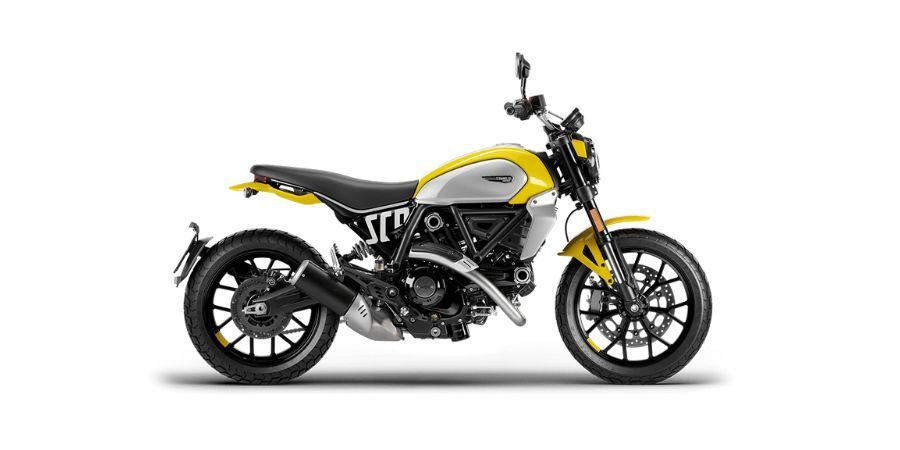
Then something shifted. By the time Ducati launched the Scrambler Icon in 2013, the word had become a vibe rather than a function. Which isn't necessarily a bad thing — the Ducati Scrambler is a genuinely great motorcycle to ride — but it's worth knowing you're buying a nod to history rather than history itself.
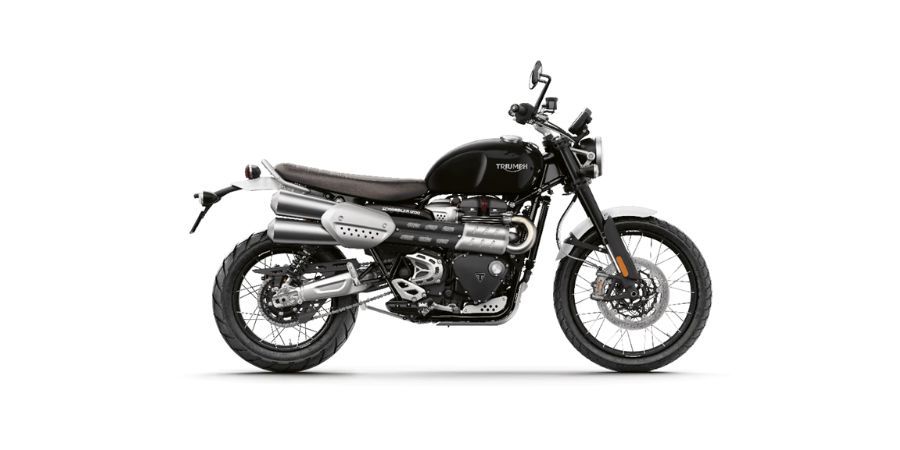
The Triumph Scrambler 1200 is closer to the real thing. Higher suspension travel, proper off-road capability, a 1,200cc parallel twin that's planted enough to actually use in the dirt. It was in No Time to Die, which tells you something about where it sits culturally. The BMW R nineT Scrambler is the German version of this idea: more polished, more expensive, probably not going anywhere near a dirt road, but honest about it.
The Husqvarna Svartpilen ("Black Arrow" in Swedish) is interesting because it sits closest to the scrambler's actual function — light, capable, modern engine, designed to go between on and off-road without apologizing for either.
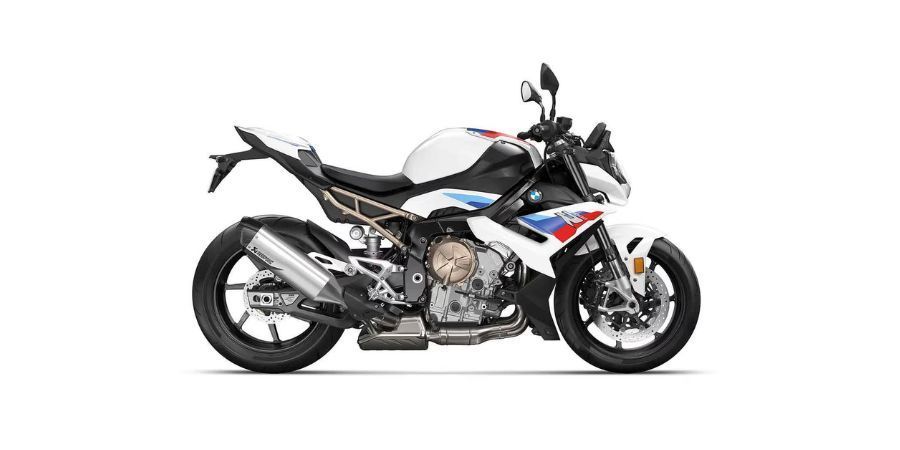
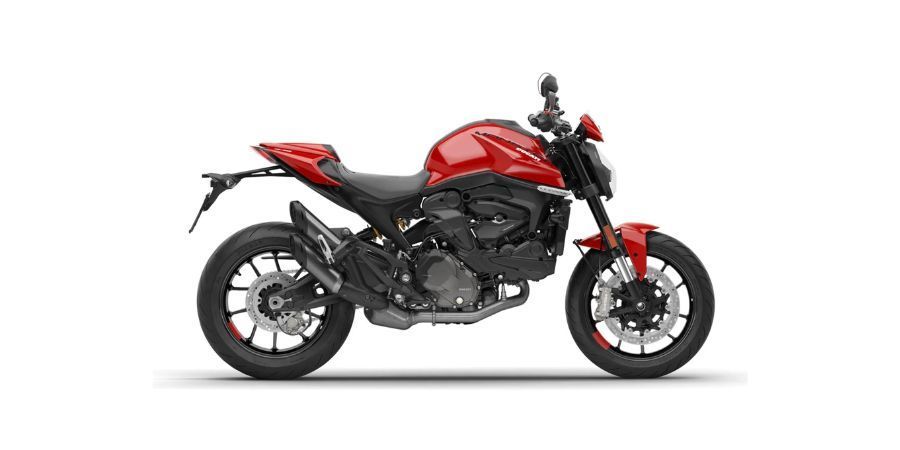
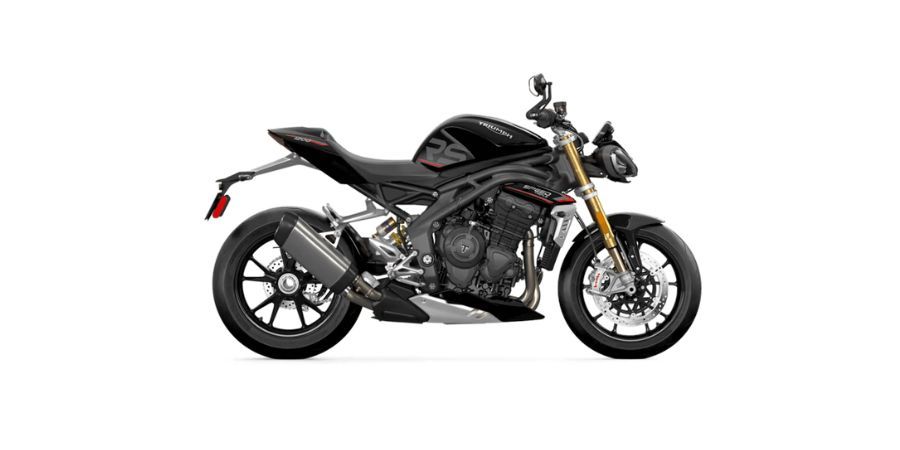
The standard / naked: Europe's default setting
Here's something the marketing materials don't always say clearly: the "standard" motorcycle — upright riding position, no fairing, practical power delivery — wasn't a compromise. It was the original. Every other category diverged from this one.
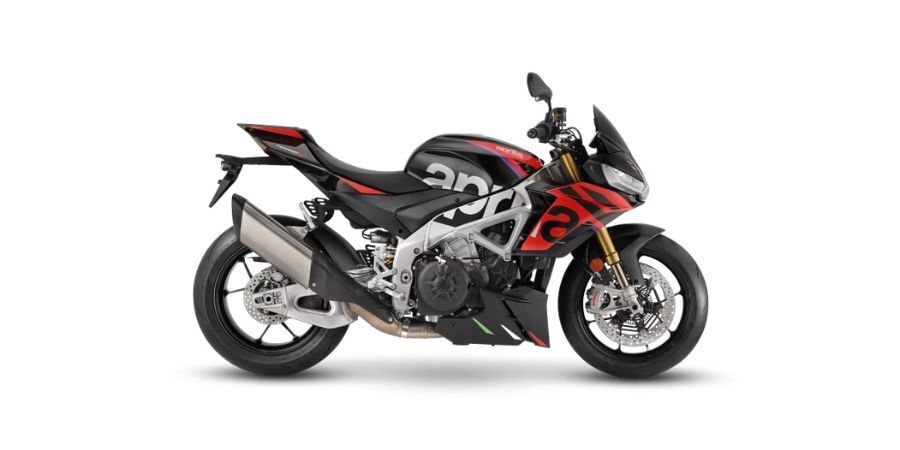
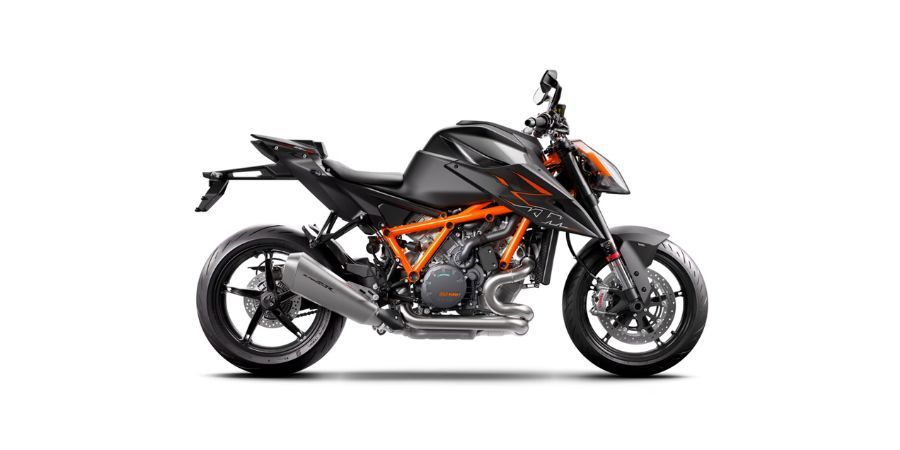
Europeans have always been better at the naked bike than anyone else, arguably because their roads reward it. An Italian on a Ducati Monster threading through Milanese traffic, a Londoner filtering on a Triumph Speed Triple, a German cruising the Autobahn on a KTM 1290 Super Duke — these aren't sport bikes with the bodywork removed. They're fully developed machines built around the riding position and power delivery that makes sense for how Europeans actually use motorcycles.
The Aprilia Tuono deserves special mention. When it launched in the early 2000s, it took the RSV Mille — already a serious race-derived machine — and basically removed the fairings and installed handlebars. The result was a motorcycle that many riders found more engaging than the RSV Mille itself, because you could feel everything. Aprilia basically invented the "super naked" category by accident, and nobody has done it better since.
KTM's Super Duke has gone through several evolutions and is currently one of the most committed naked bikes available anywhere: a scalpel with a headlight, is roughly how one magazine described the 1290 R. It is not forgiving. It is also not boring.
The Ducati Monster — which turned 30 a couple of years ago — has gotten progressively more refined and arguably progressively less weird. The early monsters were strange and wonderful. Modern ones are excellent motorcycles that are also somewhat safe. That's progress, probably.
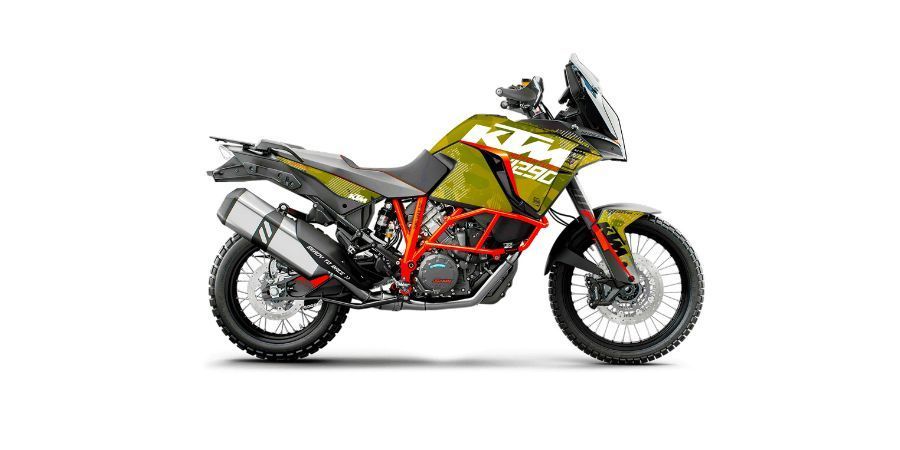
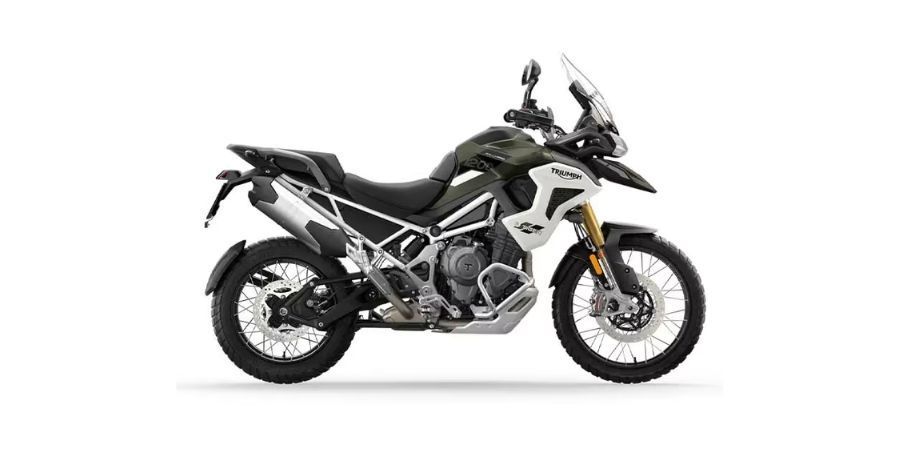
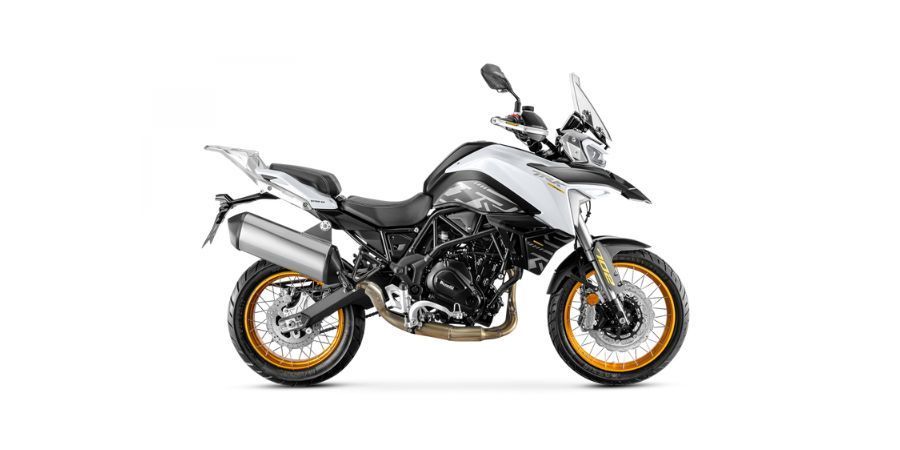
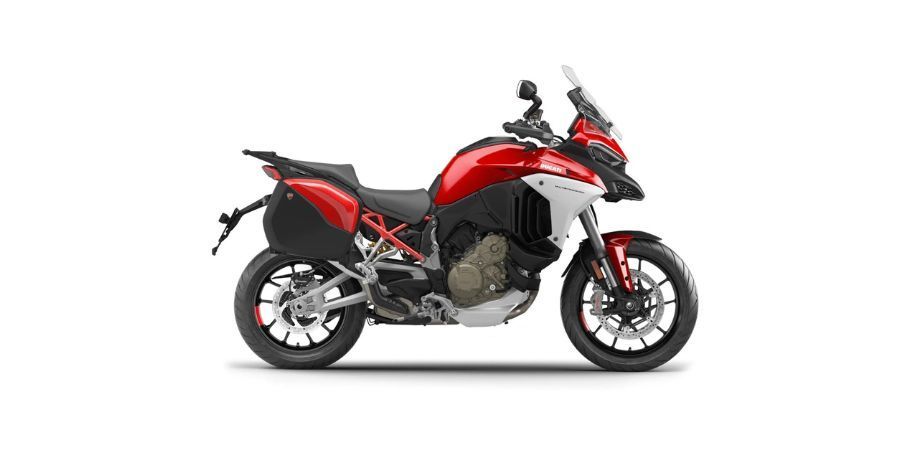
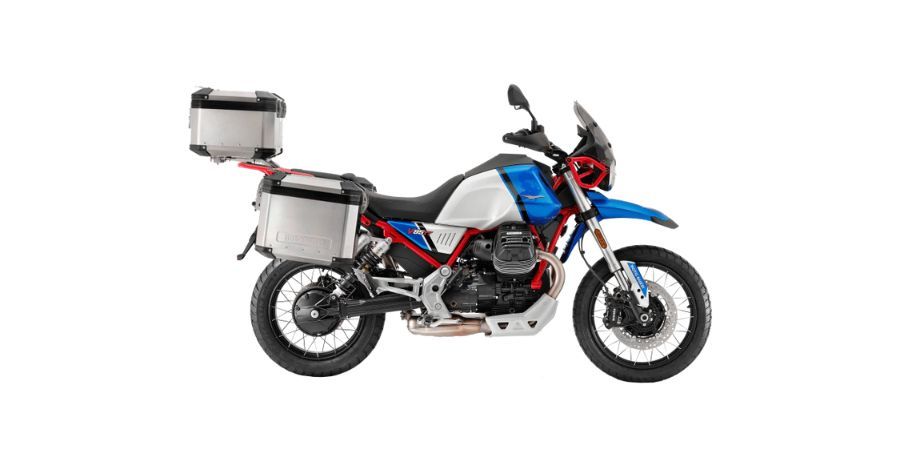
The adventure bike: Germany's greatest export
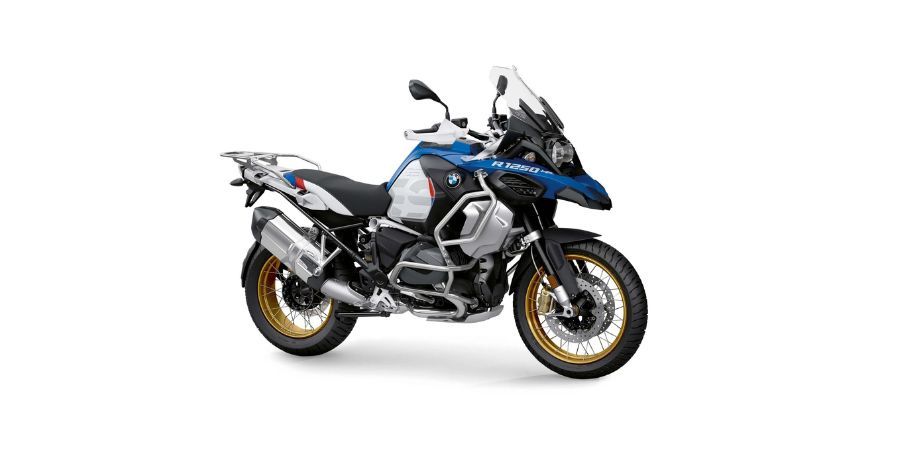
The BMW R80 G/S from 1980 is where this starts. BMW took their boxer twin, put it in a long-travel suspension setup, gave it decent ground clearance, and pointed it at the Paris-Dakar Rally. They won. Then they won again. Eventually the whole idea became a category — the adventure tourer — and now there are more adventure bikes sold globally than almost anything else.
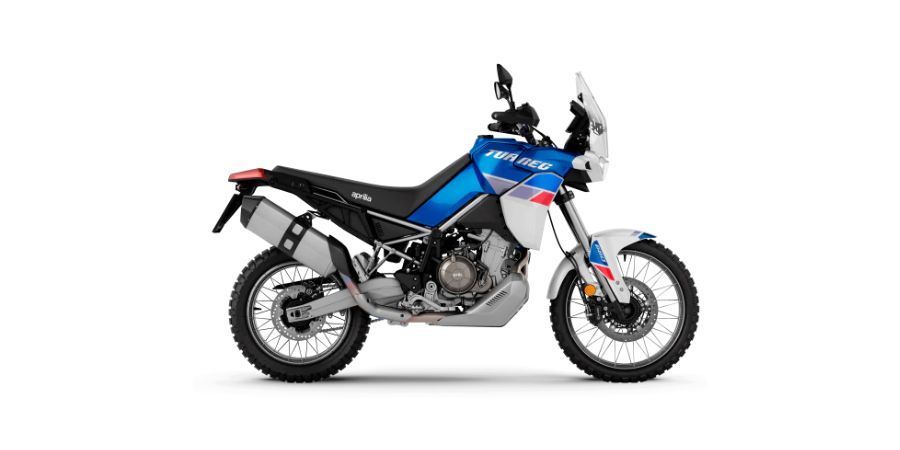
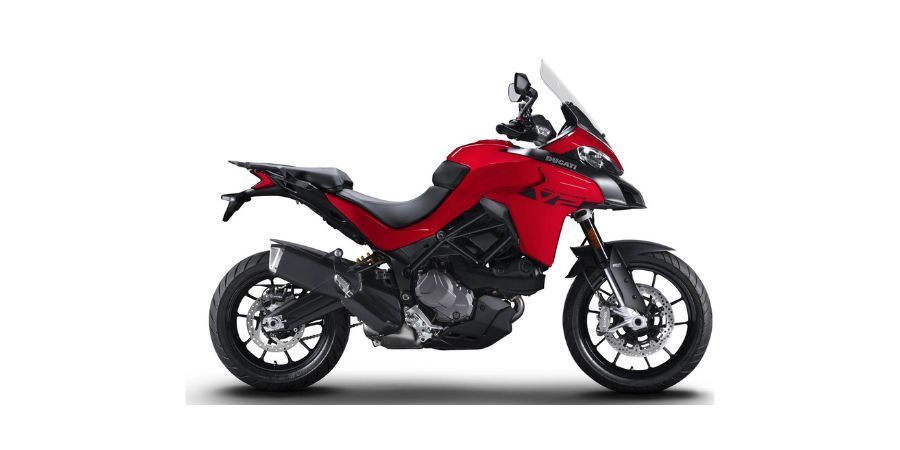
The European fingerprints on this category are everywhere. KTM's 1290 Super Adventure and 890 Adventure are built on decades of Dakar Rally experience — KTM won the Dakar 18 consecutive times starting in 2001, which is the kind of statistic that should end arguments. Ducati's Multistrada is the Italian interpretation: more sporty, more dramatic, more comfortable than logic suggests it should be given what it looks like. Triumph entered relatively late with the Tiger lineup but brought genuine off-road credibility, particularly with the Tiger 900 Rally Pro.
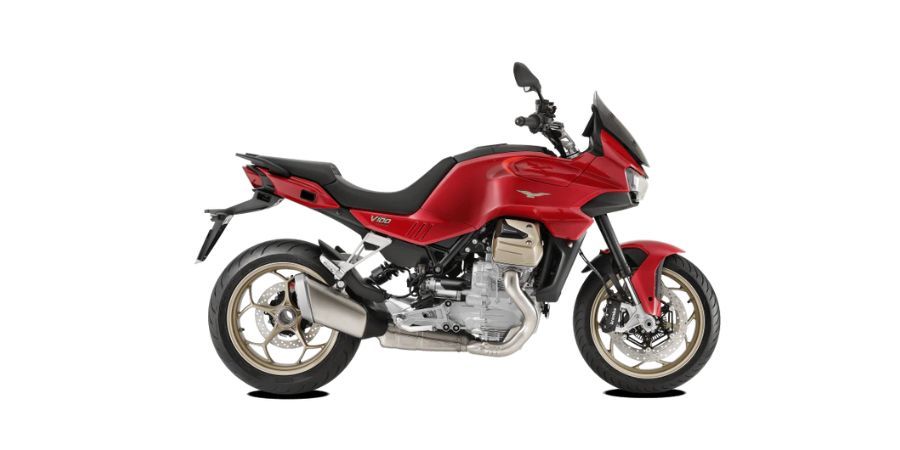
The Moto Guzzi V100 Mandello is the most interesting recent arrival — a sport-tourer rather than a true adventure bike, but it shows the Italian company's willingness to build something that doesn't look like everything else in the segment.
What separates European adventure bikes from Japanese and American competition isn't usually off-road capability (the Japanese do that very well) — it's the sense that the bike has a character independent of its function. A KTM 890 Adventure feels like a KTM. A BMW GS feels like a BMW. That specificity of personality is a European thing.
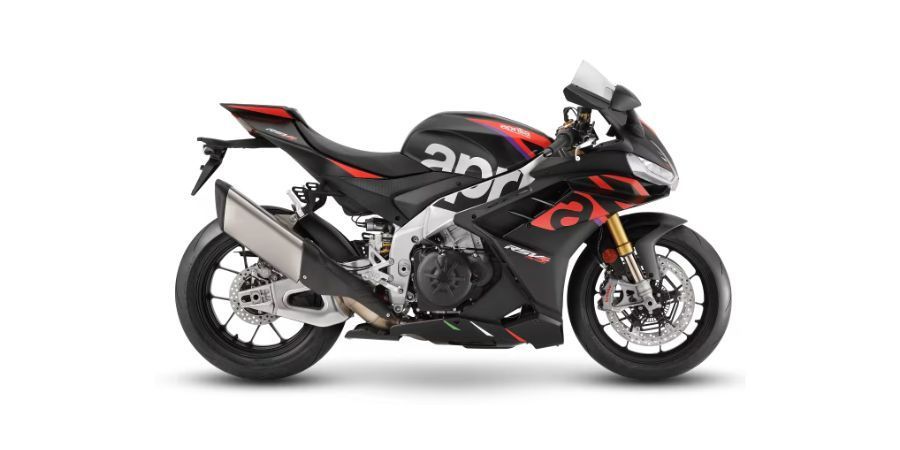
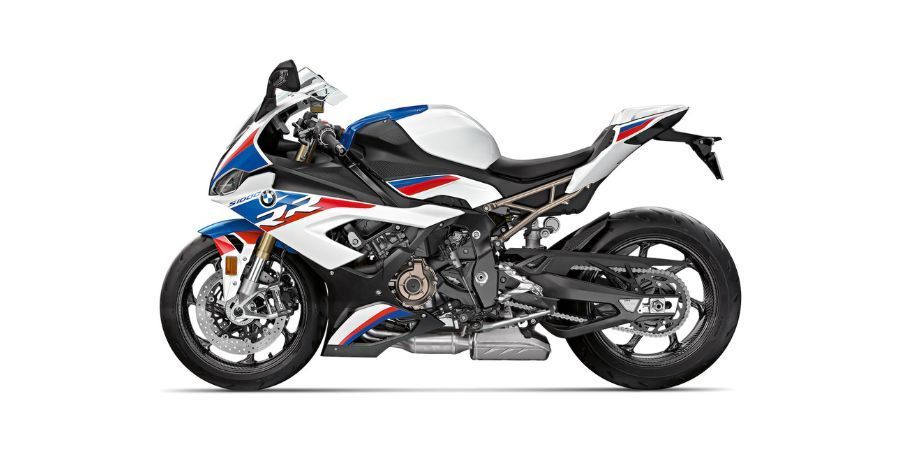
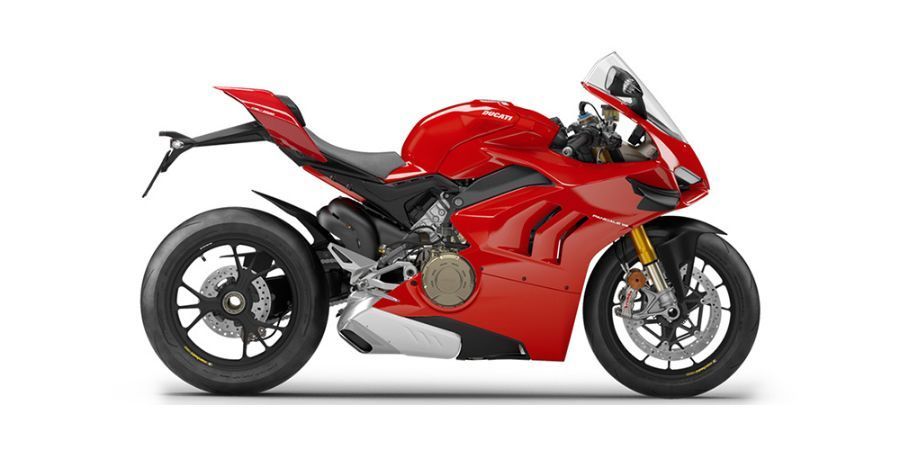
The sportbike: the Isle of Man made them possible
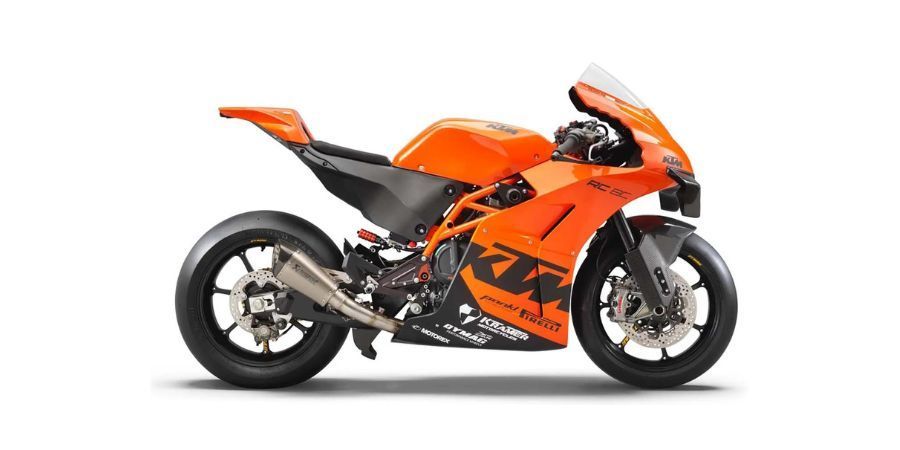
If you trace sportbike development, you keep ending up at the same place: the Isle of Man TT, which has been running since 1906 and has killed more riders than almost any other motorsport event in history. The reason European manufacturers kept building faster bikes wasn't because they were reckless — it was because the TT demanded it. Circuit racing in mainland Europe provided a second laboratory.
Ducati's relationship with racing is so fundamental to what they build that you can't really understand a Panigale V4 without knowing what the company was doing at Imola in 1972 with Fabio Taglioni's desmodromic valve system. That system — which mechanically closes valves rather than relying on springs — is still in every Ducati engine made today. The company spent decades refining it specifically because racing required it.
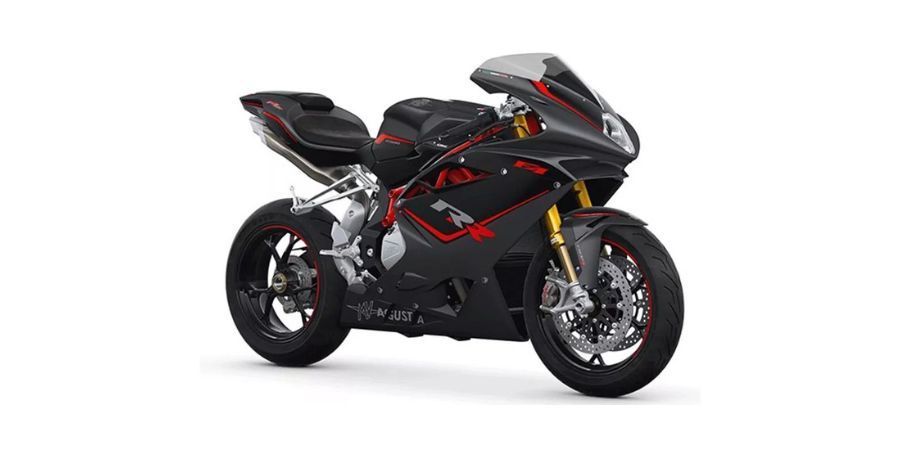
Aprilia's RSV4 came out of the company's 250cc and 125cc championship campaigns. BMW's S 1000 RR was built explicitly to compete in World Superbike, which it did immediately and successfully. MV Agusta's F4 — designed by Massimo Tamburini, who also designed the Ducati 916 — is widely considered one of the most beautiful motorcycles ever built and is mechanically obsessive in the way that only a small Italian manufacturer with something to prove can manage.
The current MV Agusta Superveloce 800 Ago edition is where sportbike and café racer overlap: it looks like something from 1965 and goes like something from right now. Limited edition. Already sold out. That's a very MV Agusta way to exist in the market.
The sport-tourer: a very German idea that worked
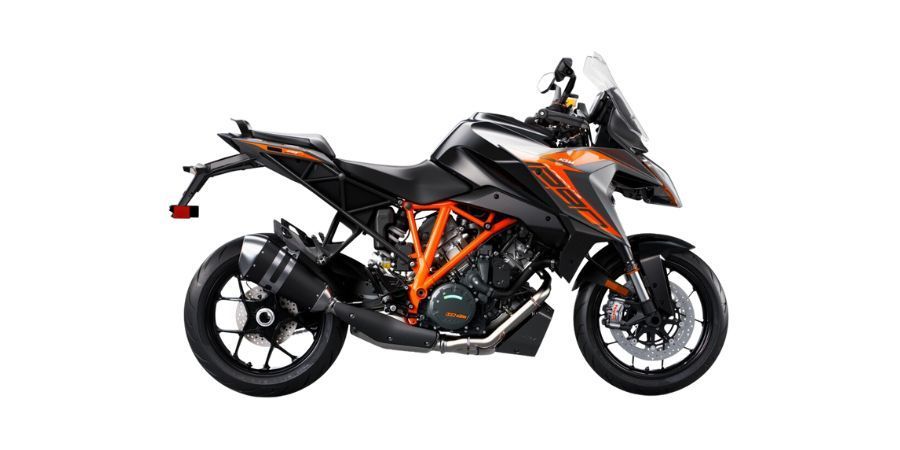
The BMW R100RS from 1976 had an aerodynamic fairing designed in a wind tunnel. A wind tunnel. In 1976. For a street motorcycle. It was also comfortable enough to ride from Munich to Milan without stopping for anything other than petrol and coffee. That's basically the sport-tourer concept in a single model.
Europeans embraced this category because European distances are real — the continent is big, the roads are varied, and riders actually tour on their motorcycles rather than trailering them to rallies. A bike that can hustle through mountain passes and then settle into comfortable highway cruising isn't a compromise; it's what the terrain requires.
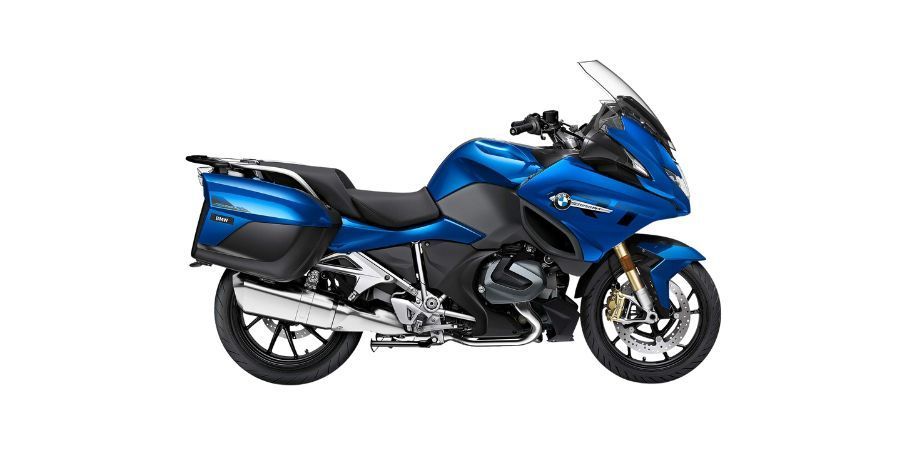
The BMW R 1250 RT is the current exemplar of fully-committed sport touring. It's large, complex, electronically sophisticated, and extremely good at covering ground. Ducati's Multistrada V4 does similar things while looking considerably more dramatic about it. Moto Guzzi's V100 Mandello is newer and arguably more focused.
Triumph's Sprint series deserves mention as a British take on the same idea — the Sprint ST in particular was genuinely balanced between sporty and practical in a way that felt distinctly unlike the German approach. More intuitive, less clinical.
Off-road: where the Scandinavians and Austrians took over
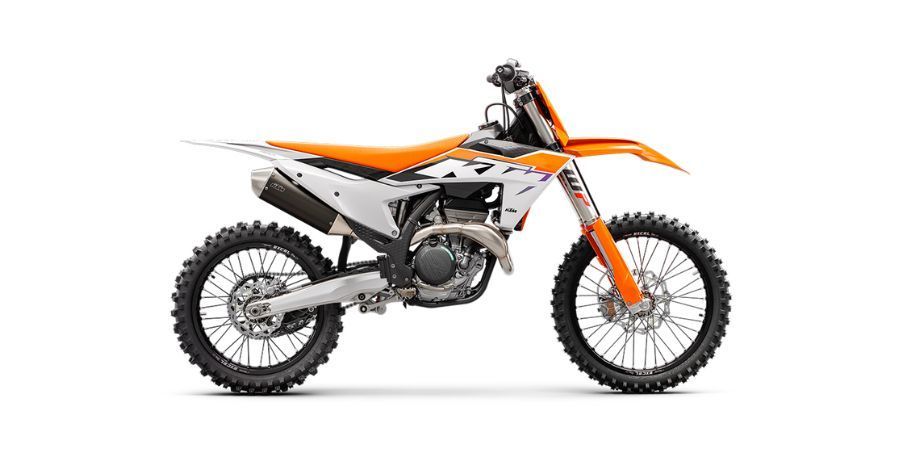
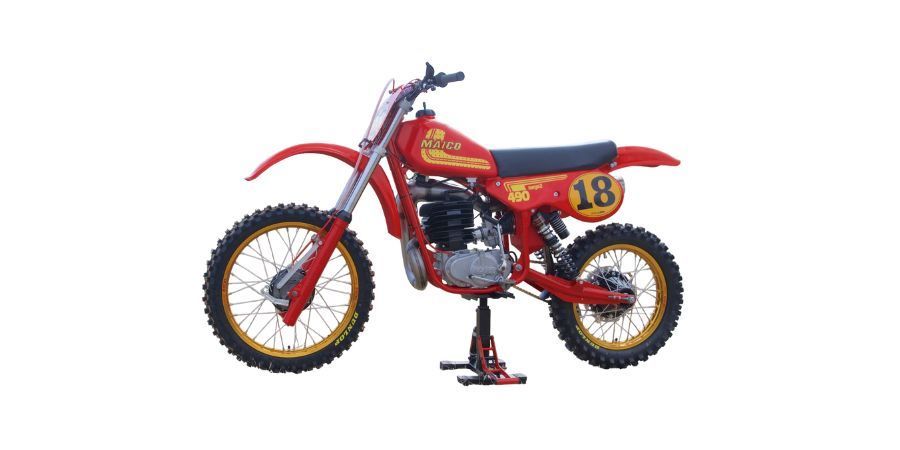
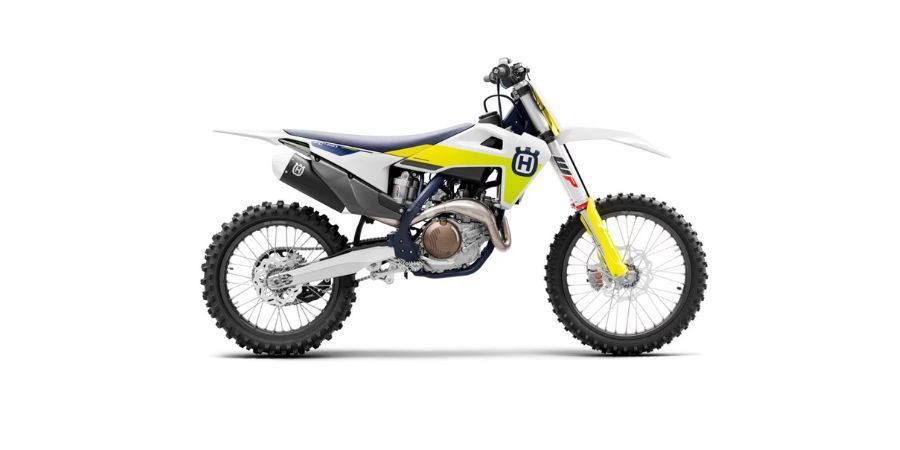
Husqvarna started as a Swedish weapons factory in 1689. They got into motorcycles in 1903, went off-road almost immediately, and spent the 1960s and '70s establishing absolute dominance in enduro and motocross. Steve McQueen raced one. The brand went through Electrolux, Cagiva, BMW, and KTM — a corporate journey that makes more sense if you don't think too hard about it — and is now an Austrian company that designs bikes in Sweden and assembles them in the same factory as KTM.
KTM itself is the most successful off-road motorcycle manufacturer in history, full stop. The company from Mattighofen, Austria — a town of about 6,000 people — has won the Dakar Rally more times than any other manufacturer and has built a global brand on the simple principle that orange motorcycles should be extremely fast in dirt.
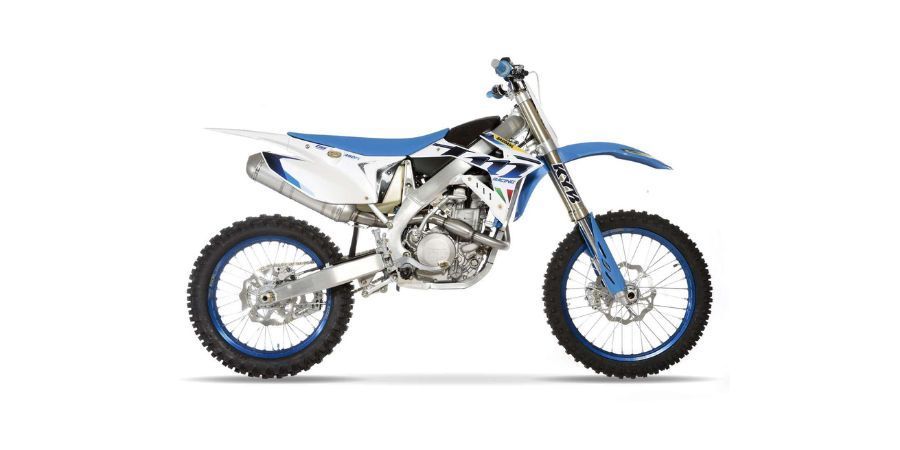
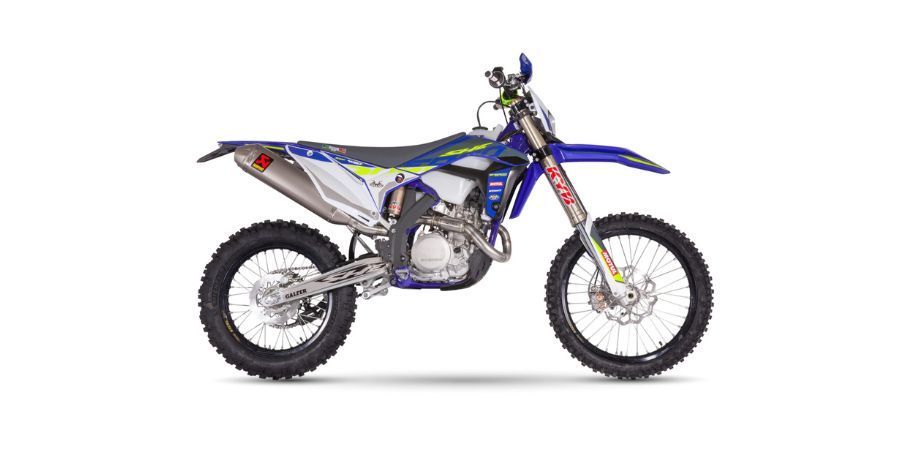
The enduro category is almost entirely a European invention. The International Six Days Enduro (ISDE) — the oldest off-road motorcycle competition in the world, predating motocross — is still the premier event in the discipline. GasGas (now also part of the KTM group), Beta (Italian, genuinely independent), Sherco (French), and TM Racing (also Italian) fill out a segment that is comprehensively European in origin and still comprehensively European in development.
Trials — the discipline of navigating extreme obstacles at very low speed, requiring extraordinary balance and control — is even more specifically European. The dominant brands are Spanish (Gas Gas, Montesa — now Honda, but Spanish by origin — Sherco) and Italian (Beta). The SSDT, the Scottish Six Days Trial, has been running since 1909. It's a good argument for the idea that some of the most interesting motorcycle competition on earth happens in places most Americans have never heard of.
A quick note on cruisers and choppers
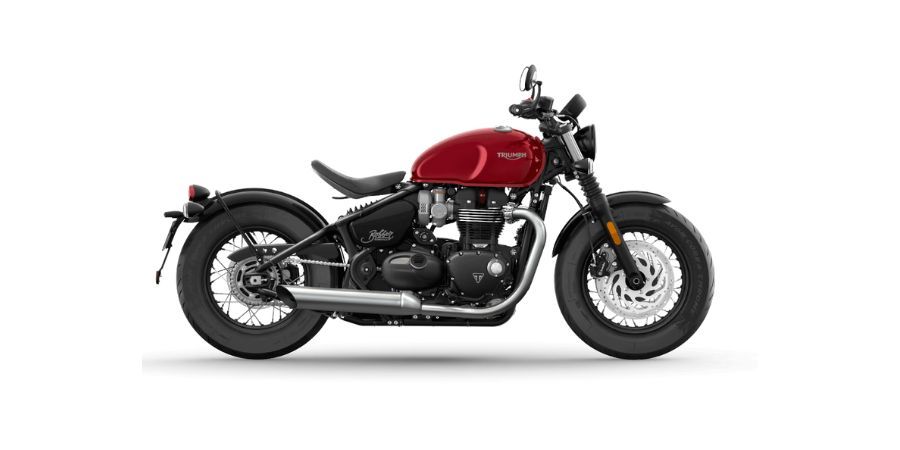
The cruiser is American. Harley-Davidson invented it, perfected it, and owns it culturally. This is just true.
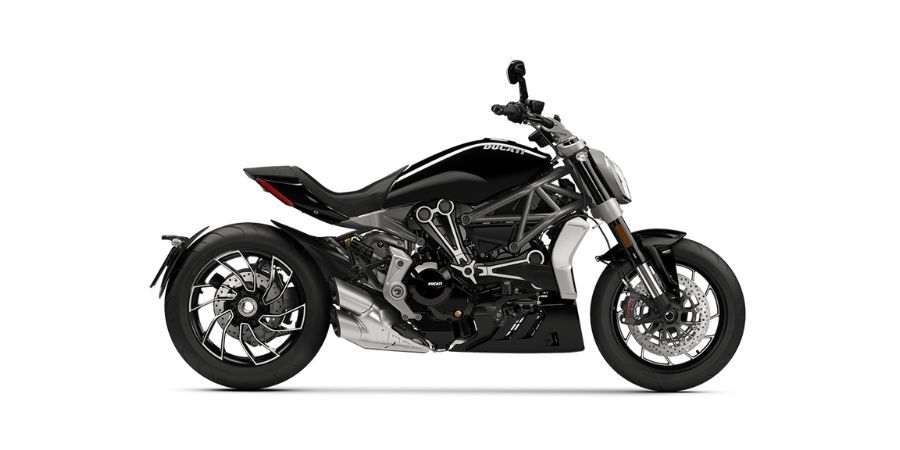
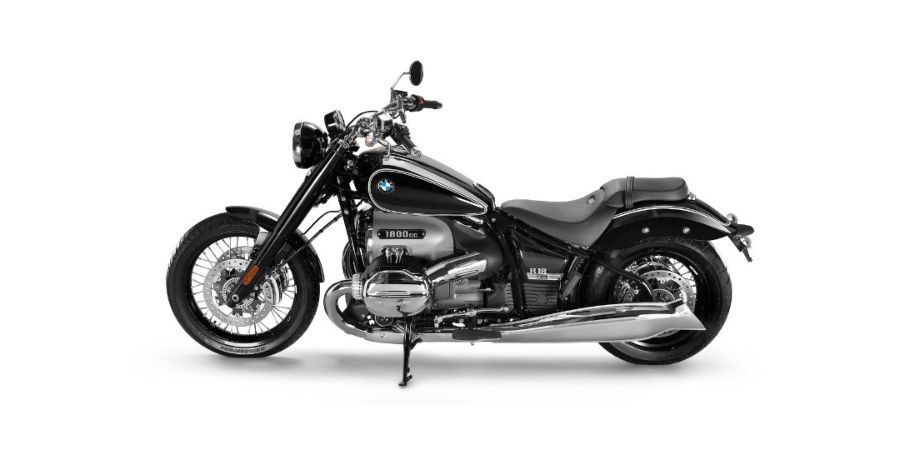
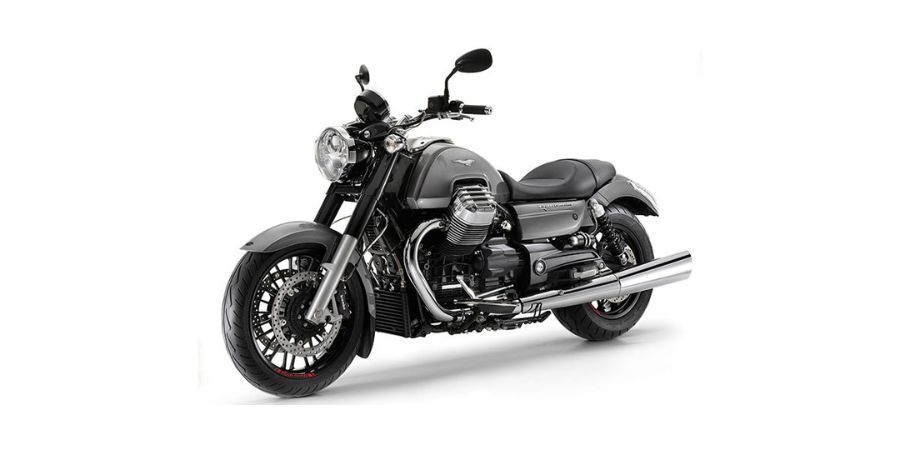
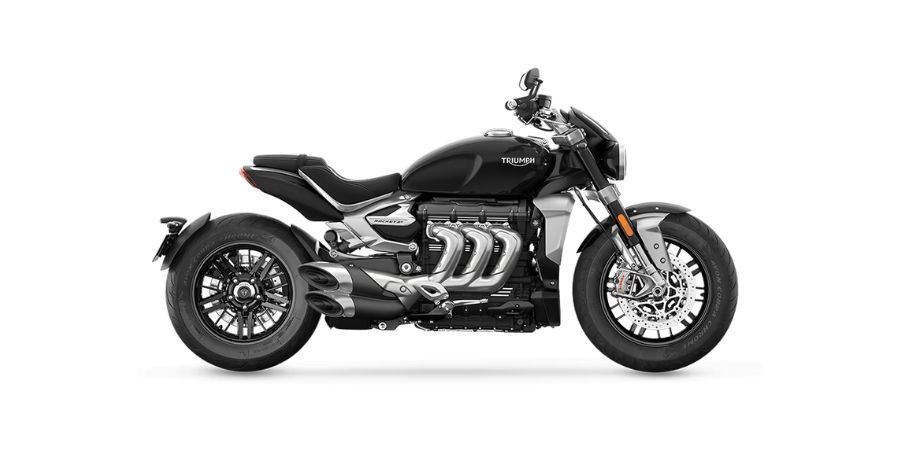
What's also true is that European manufacturers can't resist the category. Ducati's XDiavel is a proper cruiser with a 1262cc L-twin and an attitude problem. Moto Guzzi's California has been a cruiser since before anyone called them that. Triumph's Rocket 3 — with a 2,500cc triple-cylinder engine, the largest displacement engine in production motorcycles — is so committed to excess that it becomes its own statement. And BMW's R 18, with a 1,802cc boxer engine, is the most German possible interpretation of something the Germans didn't invent: thorough, technically sophisticated, and slightly literal-minded about the whole thing.
Choppers are also American. A few European custom builders do interesting work in the style — mostly Scandinavian, which somehow makes sense — but this isn't where European manufacturers have historically distinguished themselves.
Which type is actually right for you?
Honestly, this is messier than any guide makes it look. The "right" motorcycle depends on your roads, your commute, your storage situation, your height, and whether you actually plan to take it off-road or just want to look like you might.
A few observations:
If you're primarily riding city roads with occasional weekend runs: a naked standard (Ducati Monster, Triumph Trident, KTM 890 Duke) is hard to argue against. Manageable, characterful, doesn't punish you for not being a racer.
If weekend canyon roads are the point: a sport-tourer or the more relaxed sportbikes (Aprilia Tuono, BMW S 1000 R rather than S 1000 RR) give you the performance without requiring full commitment.
If you actually want to go places — as in, pack a bag and leave for a week — the adventure segment (BMW GS, KTM 890 Adventure, Triumph Tiger 900) is where European engineering genuinely shines.
If you want something that looks good in a photograph and feels special every time you look at it: that's what MV Agusta is for.
Frequently Asked Questions
What motorcycle type did Europe actually invent?
The café racer originated in 1950s Britain, the scrambler came from English trials and off-road competition, and the adventure tourer traces directly to BMW's 1980 R80 G/S. The sport-tourer concept is arguably German. Even the "standard" upright motorcycle was the European default long before it became a category.
Are European motorcycles better than Japanese ones?
Depends what "better" means. European bikes tend to have stronger character — more distinctive engineering choices, more personality, occasionally more drama when things go wrong. Japanese motorcycles are generally more reliable, better value, and more consistent. Most serious riders end up owning both at some point.
What's the best European motorcycle for a beginner?
The Royal Enfield Meteor (British brand, Indian manufacturing) is a genuinely good starting point. Among the traditional European manufacturers, the Triumph Trident 660, KTM 390 Duke, and Ducati Monster 937 — despite its intimidating reputation — are all more approachable than they look.