There's a conversation that happens in every riding community, eventually. Someone knows someone. A friend of a friend. The guy from the Sunday ride. And it ends the same way — another rider who didn't see it coming. Didn't have time. Couldn't react.
We talk about gear. We talk about rider training. We talk about awareness. All good things, all necessary. But here's the thing nobody really talks about: the problem isn't usually that riders aren't paying attention. It's that human peripheral vision has limits. Reaction time has limits. The car that drifts into your lane while you're tracking the gap ahead — you can't see everything at once, no matter how alert you are.
That's what Ride Vision is trying to solve. And honestly, having looked at how the system works, I think they've taken a pretty smart angle on it.
What Ride Vision Actually Is
Ride Vision is an aftermarket safety system built specifically for motorcycles — not adapted from car ADAS technology, not a dashcam with some extra software bolted on. The whole thing was designed around how motorcycles are actually ridden and how riders actually interact with their environment.
The hardware is relatively minimal: two wide-angle cameras (front and rear), a processing unit that mounts to the bike, and LED strips that integrate with your wing mirrors. The cameras feed footage into an onboard unit that runs a patented algorithm in real time, analyzing traffic around you and triggering alerts when it detects a collision threat.
The alerts themselves are delivered through the LED strips — visual cues that sit in your peripheral vision without pulling your eyes off the road. No audio to compete with wind noise, no phone screen you have to glance at. The idea is to give you an extra second or two to react, which is about all the difference that matters.
Two product versions exist: the original Ride Vision 1 and the newer Ride Vision 2, which packages the same technology into a smaller, easier-to-install form factor. Both work with a companion smartphone app (available in a free Lite tier and a paid PRO version) that lets you customize alert sensitivity, download ride footage, and track stats like speed, lean angle, and distance.
The Alerts: What It Covers
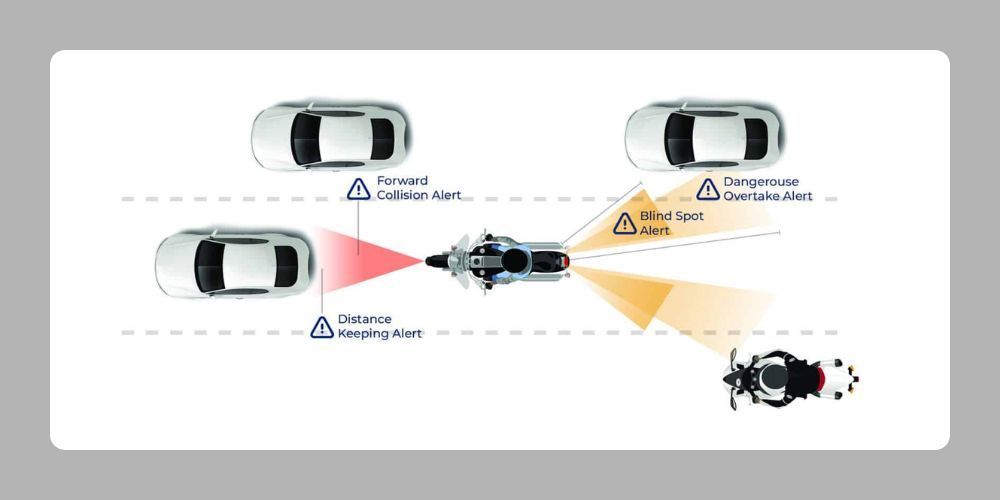
This is where it gets practical. The system handles four main alert types:
- Forward collision — detects vehicles closing in front of you and warns before you'd typically process the threat yourself.
- Blind spot — flags vehicles sitting in your blind zones, particularly useful in lane-change situations.
- Overtake — alerts when a vehicle is moving to pass you, including from behind.
- Distance-keeping — monitors your following distance from the vehicle ahead and warns when it drops into the danger zone.
The algorithm is designed to filter out noise — it's not alerting you to every car in a three-lane highway situation, just the ones that represent genuine collision risk. That predictive filtering is actually the harder engineering problem. Any system can detect objects. The trick is knowing which ones matter right now.
Why This Matters for Motorcycle Riders Specifically
Car ADAS systems have been around long enough that most buyers now expect lane departure warnings and automatic emergency braking as standard. Motorcycles have been almost entirely left out of that development. The physics are different, the rider's body position is different, the way danger presents itself is different.
A car can shake your steering wheel or flash a heads-up display. A motorcycle rider doesn't have a steering wheel to shake, doesn't want something flashing in their line of sight at the wrong moment, and needs warnings that account for the fact that they're leaned over, filtering traffic, or navigating a roundabout at speed.
Ride Vision is built around that reality. The LED alert placement in the wing mirrors is deliberate — it puts warnings in the rider's natural visual field without forcing a head movement or eye redirect. The system is also IP69K rated, which means it handles weather properly. A safety device that stops working in the rain isn't a safety device.
Who It's For
The company positions Ride Vision for urban and leisure riders, and that framing makes sense. City riding is where collision threats are most frequent and most varied — cars pulling out, lane changes, busy intersections, delivery vehicles stopped unpredictably. That's the environment where an extra second of warning has the highest return.
But the system installs on any 2 or 3-wheel bike — scooter, naked, adventure tourer, sport — and the loop recording feature means it's genuinely useful on any type of ride. The cameras continuously record, overwriting older footage, and the footage syncs to the app. If something happens, the video is there. That's not nothing, especially for anyone who's dealt with an insurance dispute after an accident where it came down to their word against a car driver's.
Collector Riders and the Safety Tech Question
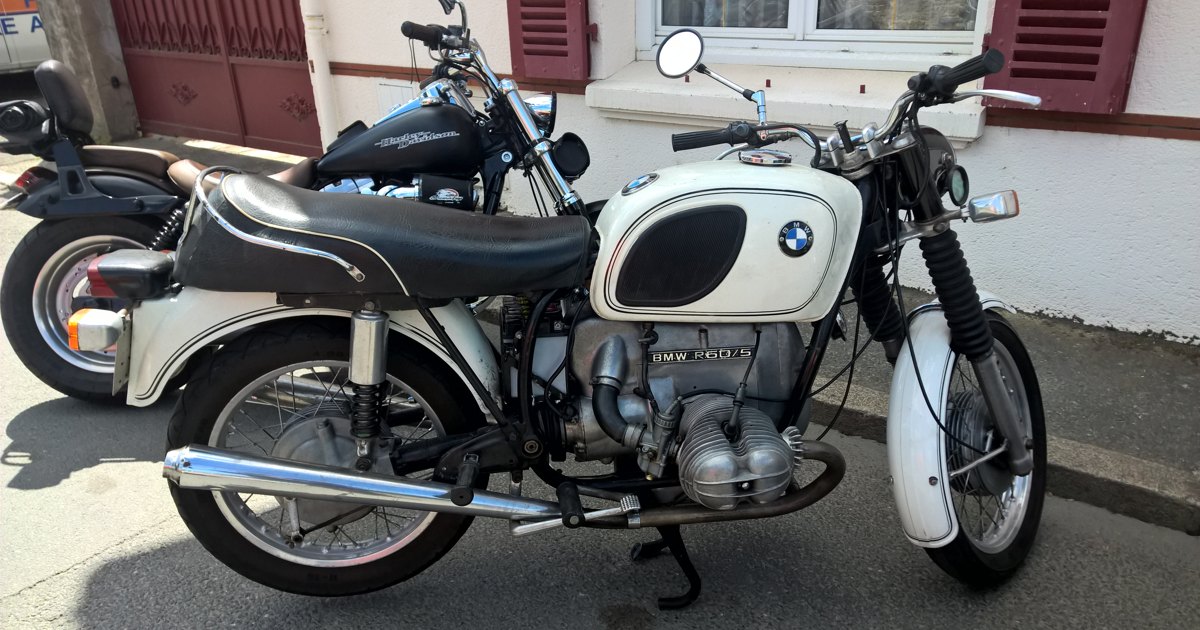
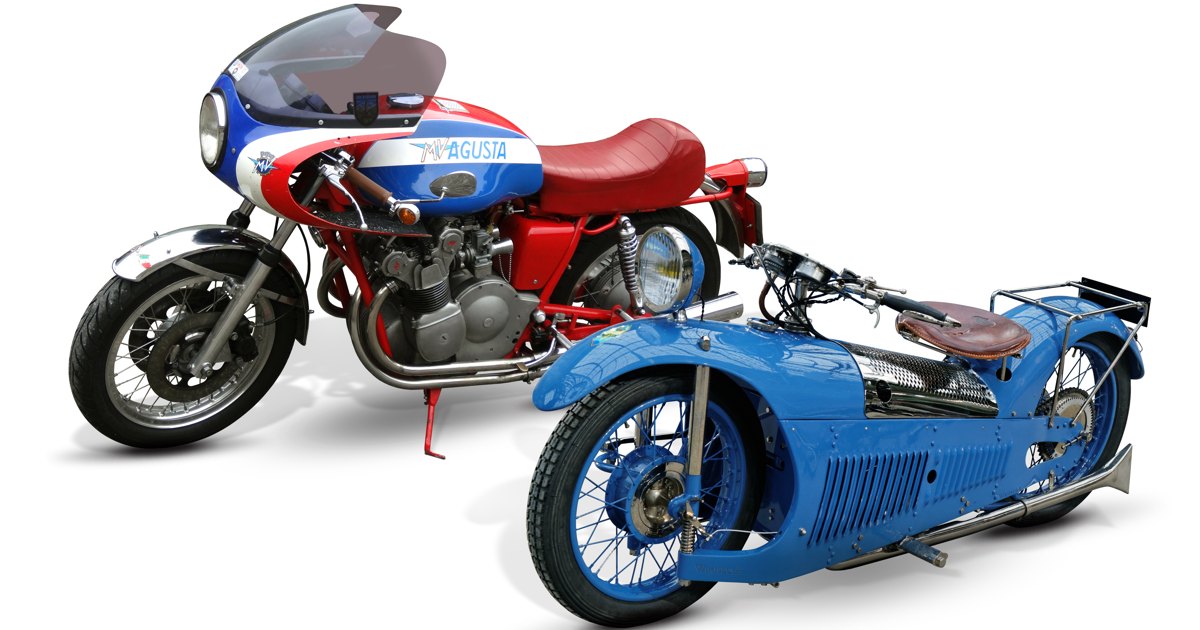
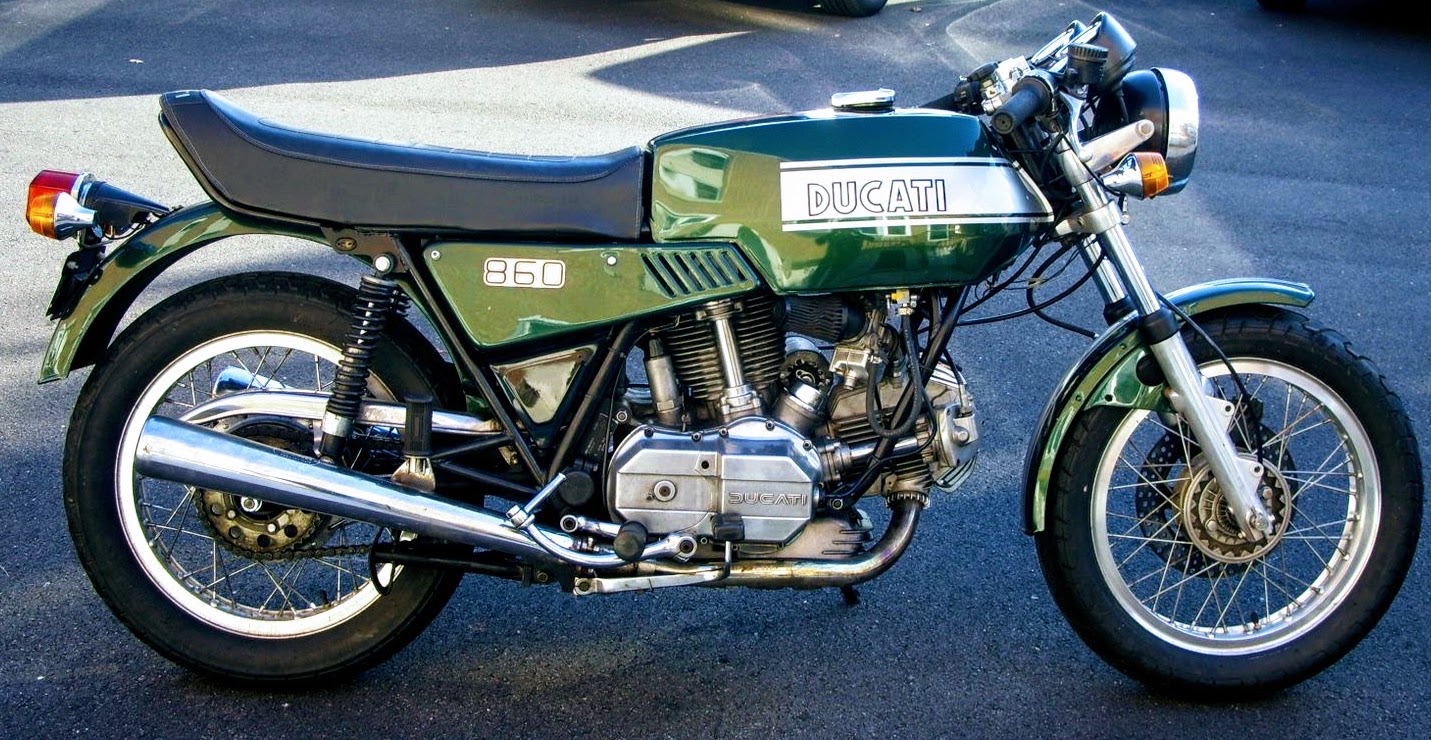
RunMotoRun readers skew toward bikes with character — a 900SS, a vintage Guzzi, something that started life before fuel injection was a thing. And the honest question is whether safety tech has any place on that kind of machine.
I'd argue yes, and the reason is that Ride Vision installs without modifying the bike. The cameras and processing unit mount externally. The LED strips replace (or integrate with) your existing mirrors. If you decide you don't want it, you take it off. It's not drilling into your frame or rewiring your ECU. You're not permanently changing the machine — you're adding a safety layer that operates independently of the bike's own systems.
For anyone who puts real miles on their classic or vintage machine — not just trailer queens, but bikes that actually get ridden — that's a meaningful distinction.
The RunMotoRun Discount
Ride Vision has offered RunMotoRun readers a 15% discount on the system. Use code RMR15 at checkout on ride.vision, code valid until May 15, 2026.
If you've been on the fence about safety tech — thinking it's too car-centric, too intrusive, not designed for how you actually ride — this is worth a proper look. The motorcycle-specific engineering is real, the alert logic is designed around rider needs, and the install is genuinely non-destructive.
The extra second matters. Ride Vision is trying to give it to you.
Frequently Asked Questions
Does Ride Vision work on older motorcycles without modern electronics?
Yes. The system is self-contained and hardwires directly to the battery. It doesn't interface with the bike's ECU or rely on CAN bus signals, which means it's compatible with virtually any 2 or 3-wheel bike regardless of age or electronics sophistication.
What's the difference between Ride Vision 1 and Ride Vision 2?
Both units run the same core technology and alert system. Ride Vision 2 is a newer, more compact version with smaller cameras and a smaller processing unit — primarily an improvement in ease of installation and aesthetics. Check the Ride Vision website for regional availability on the Gen 2 unit.
Will the alerts be distracting while riding?
The system is designed specifically to avoid that problem. Alerts are delivered via LED strips mounted in the wing mirror zone — your peripheral vision — rather than through audio or a screen you'd need to look at directly. The algorithm also filters for genuine threats rather than flagging every nearby vehicle, which keeps alert frequency at a level that informs without overwhelming.